Neewer Z3 review

The 100Ws Flash That Changes the Game
A hands-on Neewer Z3 review from a working photographer — real-world tested, no fluff.
Neewer Z3 Review: First Impressions
When the Neewer Z3 arrived for review, I knew the headline spec was 100 watt-seconds which is a significant step up from the 76Ws ceiling that most speedlights, including Neewer’s own Z2, Z2 Pro and Z880, top out at. But specifications on paper are one thing, in the real world ois where you . What I wanted to find out was whether this flash actually delivers in real-world shooting conditions, and whether the rest of the feature set justifies the price.
The short answer: yes, and then some.
“You would never think you could buy this unit for under $232. The build quality alone would have you thinking you paid twice the price.”
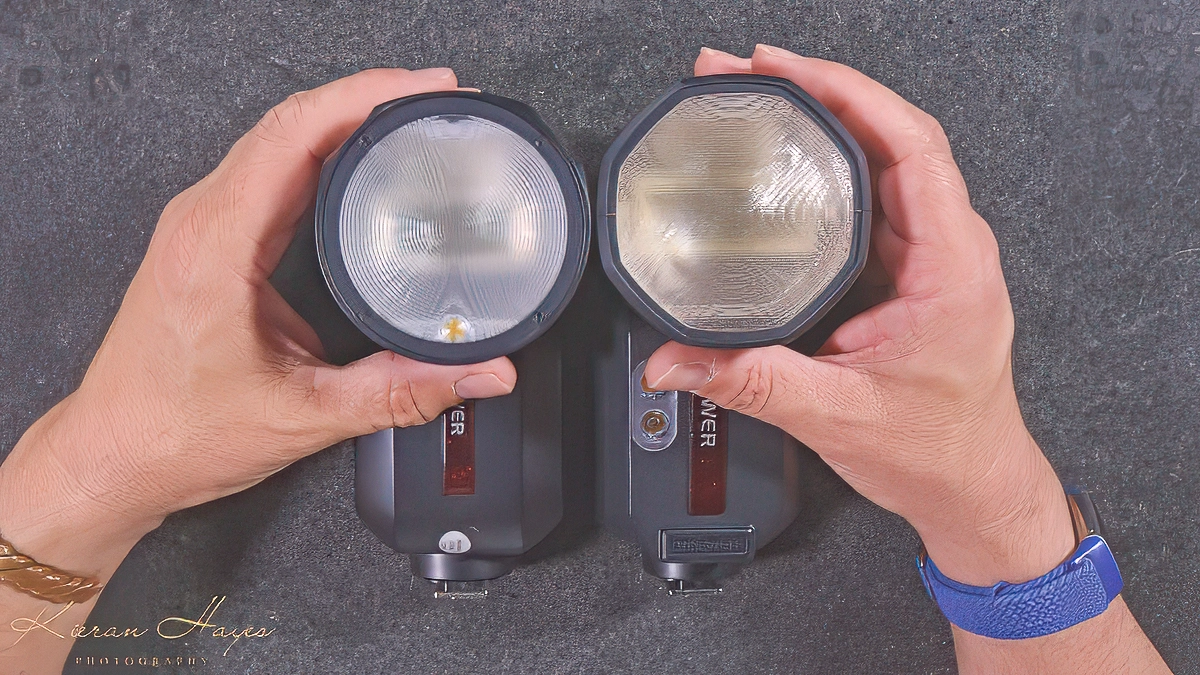
— Kieran Hayes, on first handling the Z3Before going further, it’s worth flagging that there is now a slightly updated version called the Neewer Z3R. The differences between the Z3 and the Z3R are minor, the Z3R has a fully round head versus the Z3’s slightly octagonal shape and there’s a marginally improved flash tube element. In practice the light quality difference between the two is negligible. This review focuses on the Z3 and almost everything here applies equally to the Z3R.
Build Quality & What’s In The Box
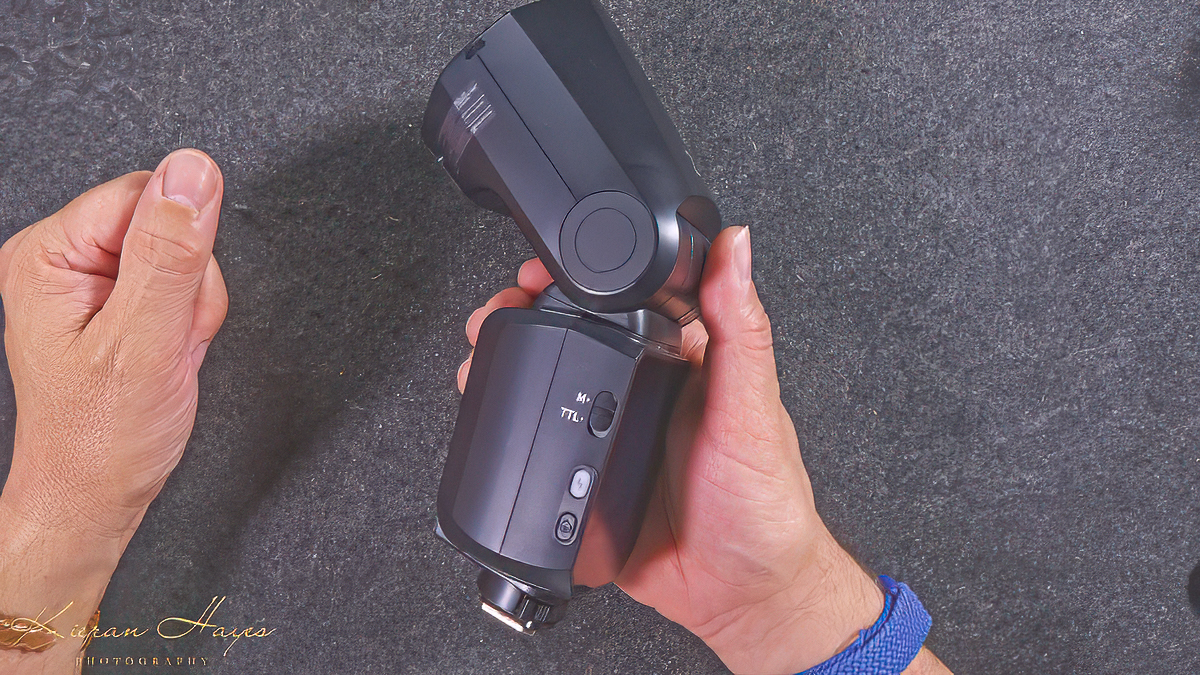
The first thing that strikes you with the Neewer Z3 is how solid it feels. This is not a plasticky, hollow-feeling speedlight. The unit is dense and well-built, with a metal hot shoe mount and a head that rotates and tilts smoothly in every direction without any looseness or wobble. For a flash at this price, the build quality is genuinely impressive.
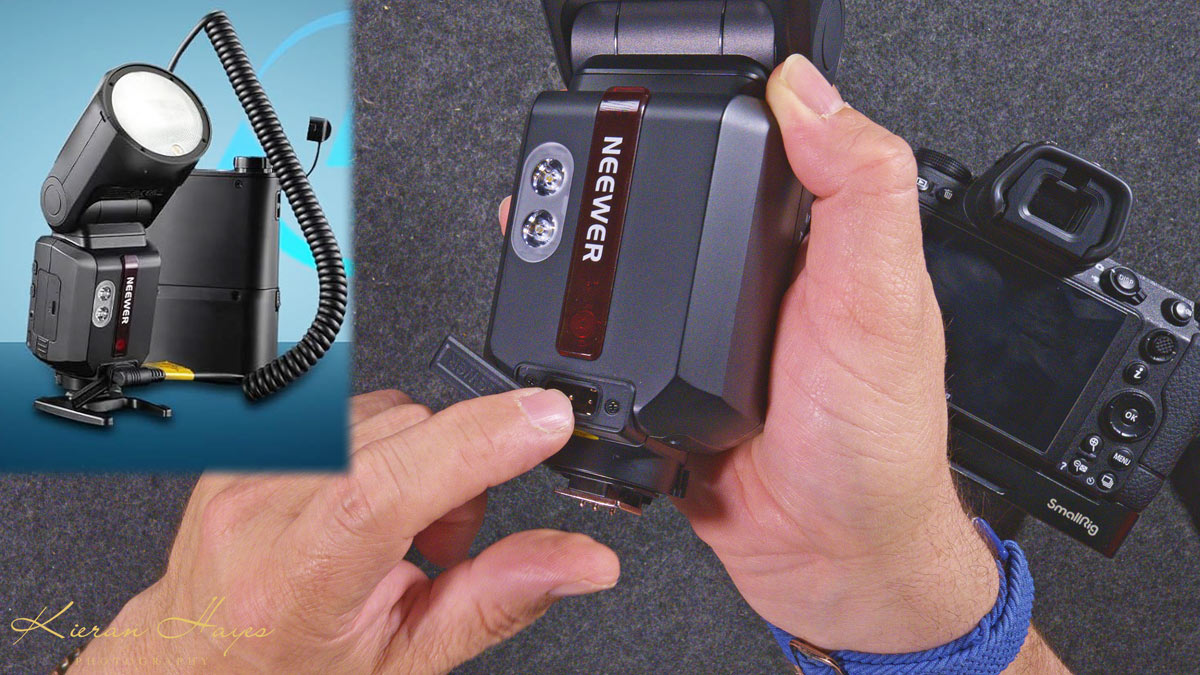
The carry case deserves a mention, it’s padded, has a rear strap for attaching to a bag or belt and a small pocket for the flash foot. The foot itself includes a quarter-inch thread so you can mount the Z3 directly onto a lighting stand for off-camera use. It’s the kind of thoughtful detail that shows this flash is designed by people who actually use lighting on shoots.
Neewer Z3 Specifications
| Flash Power | 100 Watt-Seconds |
| Flash Output Range | 1/256 – 1/1 (0.1EV steps) |
| Flash Duration | 1/556 – 1/13,500s |
| Recycle Time | 1.7s at full power / 0.8s with external battery pack |
| Colour Temperature | 6000K ±200K |
| HSS Support | Up to 1/8000s |
| Shooting Modes | TTL, Manual, Multi / Stroboscopic |
| Wireless System | Built-in 2.4G Q System — 4 groups, 32 channels, 99 IDs |
| Godox Compatibility | Slave unit with Godox Xpro, X3, X2 triggers (firmware update required) |
| Optical Slave | S1 / S2 mode |
| Battery | 3000mAh Lithium-Ion (USB-C charging) |
| Full Power Flashes | Up to 530 per charge |
| External Battery Port | Yes — reduces recycle time to 0.8s at full power |
| Modelling Lamps | Dual LED, 3300K ±200K, 10 brightness levels |
| Display | 2.8″ Colour Touchscreen |
| Zoom Range | 28–105mm (auto & manual) |
| Dimensions | 73 × 78 × 211mm |
| Weight (with battery) | 629g |
| Compatibility | Nikon, Canon, Sony, Fujifilm versions available |
| Warranty | 2 years (via Neewer website) |
| Price | Under $232 / ~£190 with discount code |
100Ws Output & Why It Matters
The 100 watt-second output is the defining feature of the Neewer Z3 review story and it’s worth unpacking why that number matters more than it might first appear.
Most speedlights, including Neewer’s own Z2, Z2 Pro and Z880 top out at 76 watt-seconds. That’s been the ceiling for hot-shoe flashes for years. The Z3 pushes that to 100Ws, which is a 32% increase in raw power. In practice, that means you can overpower brighter ambient light conditions outdoors, push light through larger and more light-hungry modifiers or shoot at more conservative power settings during regular indoor or studio work which in turn gives you faster recycle times and longer battery life during typical use.
Round Head Design & Light Quality
The round (or slightly octagonal) head is the other major talking point in any Neewer Z3 review. The shape of the flash tube changes the character of the light it produces and in the case of the Z3, it produces a noticeably softer, more gradual falloff compared to a traditional rectangular speedlight.
Standard rectangular flash tubes produce a more even, boxy spread of light that can feel a little harsh and artificial, particularly in portrait work. The round head of the Z3 gives you a gentler rolloff at the edges of the frame, the kind of light that feels more natural and flattering on skin. Add the included magnetic dome diffuser, which clips on in seconds and spreads the beam to nearly 180 degrees of coverage, and you have a flash that’s genuinely capable of producing beautiful, soft portrait light straight out of the box with no additional modifiers needed.
The zoom range of 28–105mm covers a wide range of shooting scenarios, though wide-angle coverage is slightly more limited than a traditional rectangular speedlight but the dome diffuser addresses this well.
Touchscreen Interface
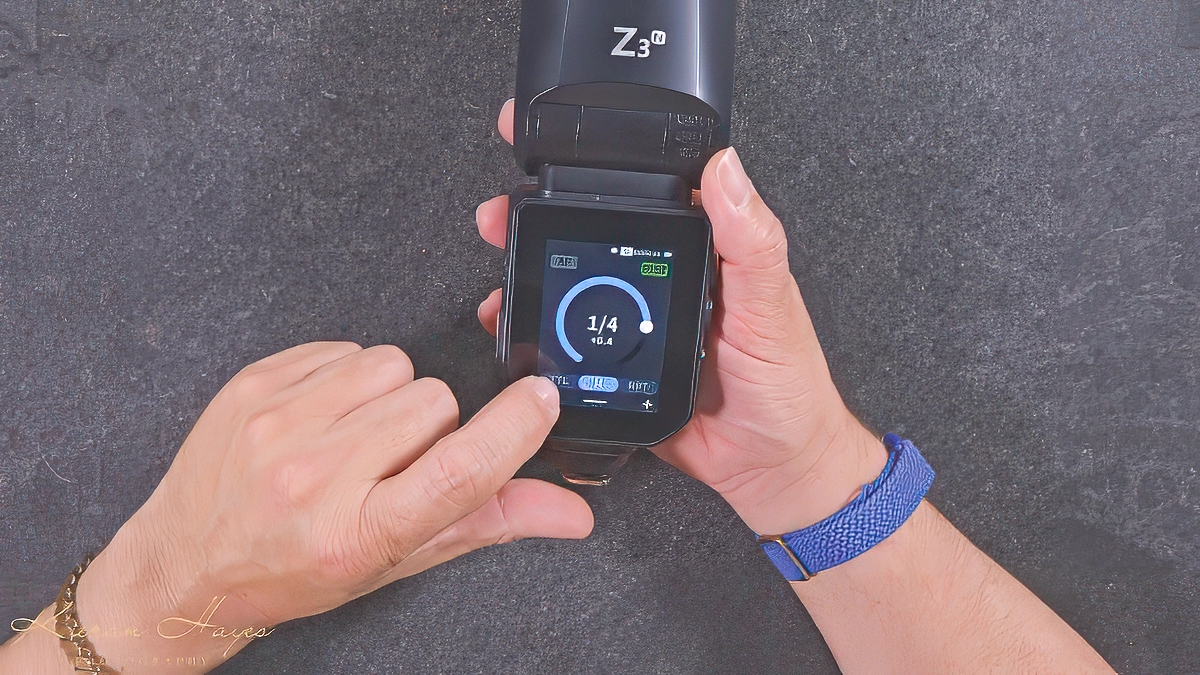
The 2.8-inch colour touchscreen is one of the standout features of the Neewer Z3, and it genuinely earns its praise. It’s large, bright, and easy to read at a glance. Adjusting output power is as simple as tapping the screen and swiping. There is no holding down button combinations or cycling through tiny LCD segments.
The TTL/Manual toggle button on the side is a particularly clever addition. Hit it while shooting in TTL and the flash instantly converts your current TTL reading to the equivalent manual power setting. That’s a real workflow benefit as you can let TTL do the initial exposure work, then lock it in manually for consistent results across a series of shots.
A word of caution for those who prefer buttons: the Z3 is primarily touchscreen-driven. If you strongly prefer tactile button control, this may not be the flash for you. But for the majority of photographers, the touchscreen interface is a genuine improvement over the cluttered button layouts found on many competing speedlights.
Dual LED Modelling Lamps
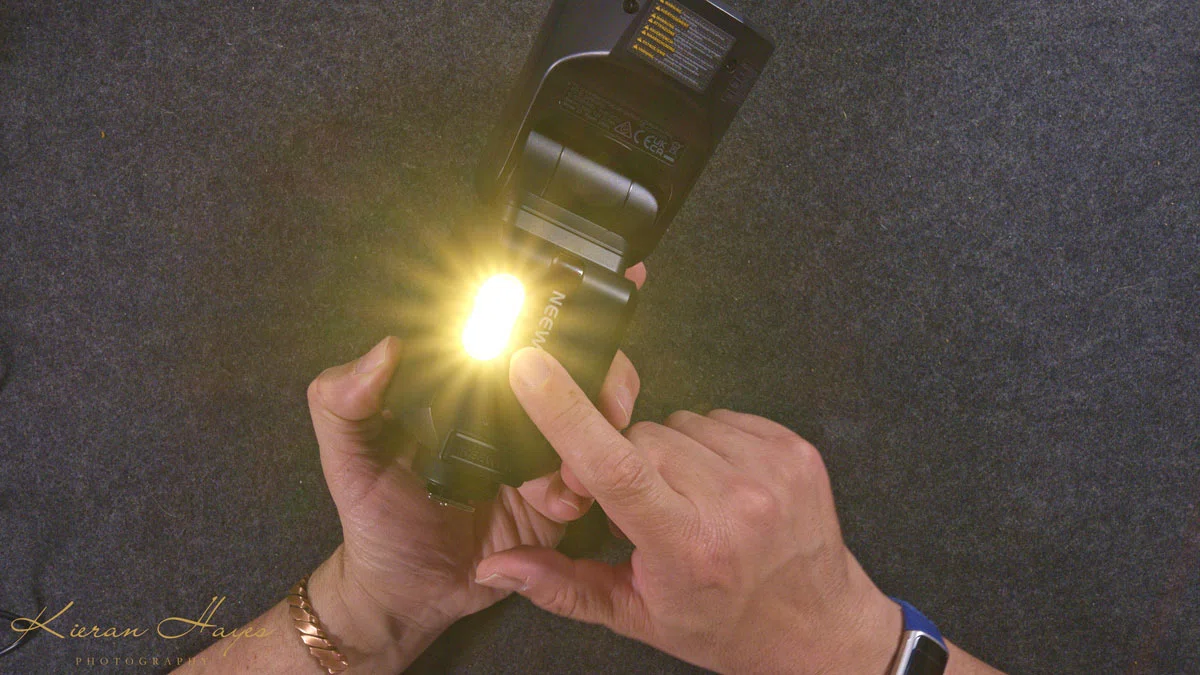
Two built-in 3300K LED modelling lamps with 10 adjustable brightness levels is not something you typically find on a speedlight at this price point. In practice, these lamps are useful for several things: previewing where your shadows will fall before you fire a shot, providing autofocus assist in low-light environments, and giving you a continuous light source for the brief moments between flash shots during a dynamic shoot.
The lamps can be set to either continuous (always on) or intermittent (switches off when the flash fires to avoid interfering with your exposure). Both modes have their uses depending on the shooting situation.
High-Speed Sync & Shooting in Bright Light
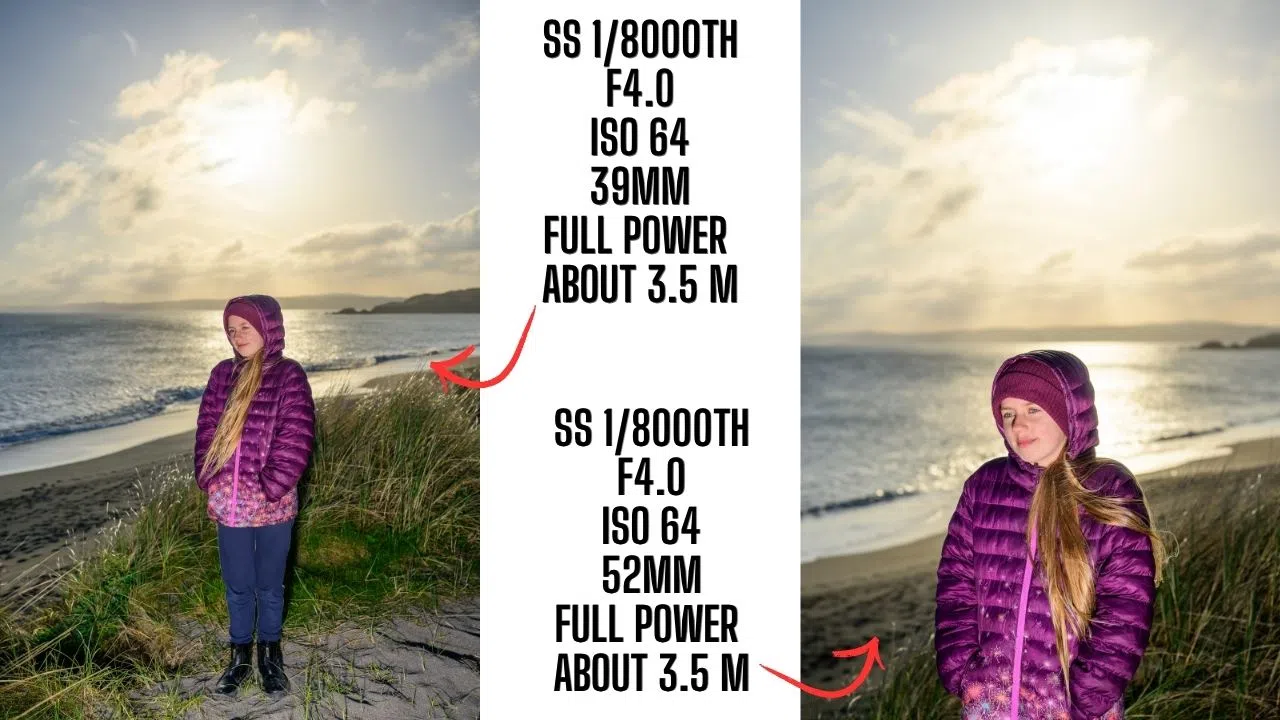
HSS at up to 1/8000s is a professional-grade feature that unlocks a whole different style of outdoor flash photography. Without HSS, you’re limited to your camera’s sync speed which is typically around 1/200s or 1/250s on most Nikon Z bodies. This which forces you to stop down your aperture and lose the shallow depth of field you want for portraits.
With HSS enabled on the Neewer Z3, you can shoot at 1/8000s at f/4 in direct sunlight and still have the flash balancing the subject exposure perfectly. During testing, I was shooting at 1/8000s, f/4, ISO 64, with the sun directly behind my subject and the Z3 was at full power from around 3.5 to 4 metres was delivering clean, balanced exposures. That’s a genuinely impressive real-world result.
Wireless System & Godox Compatibility
The built-in 2.4G Q wireless system supports 4 groups, 32 channels and 99 IDs, with master and slave functionality built in from the factory. So there’s no separate receivers needed as the Z3 is ready to go for off-camera flash the moment you pair a Q system trigger to it.
The Godox X system compatibility is the detail that a lot of photographers will find most significant. If you’re already running Godox gear with the Xpro, X3 or X2 triggers the Z3 can slot straight into your existing wireless setup as a slave unit. You need to go into the RF wireless menu and enable the Godox RX setting, but once that’s done it pairs and works reliably. The Q system and X system cannot run simultaneously, but for most shooters who want to integrate the Z3 with existing Godox kit, this is a very welcome capability.
Battery Life & Charging
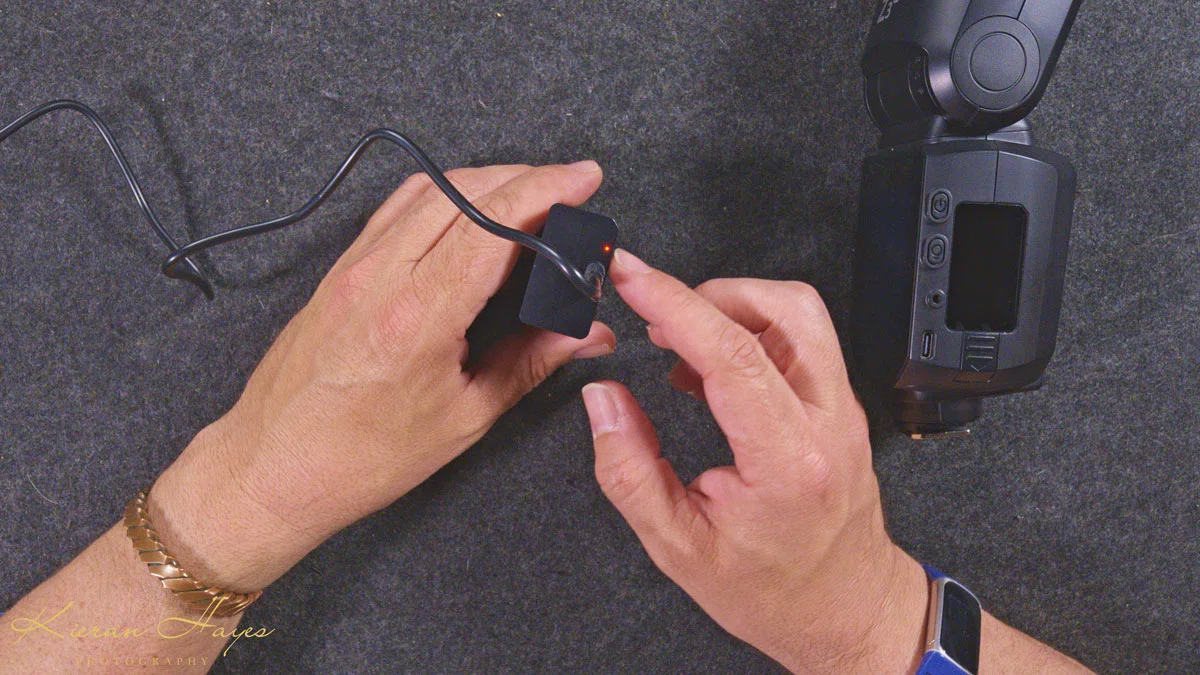
Up to 530 full-power flashes from the 3000mAh lithium battery is an excellent figure. At typical working power levels of somewhere between 1/2 and 1/4 power for most indoor and studio shooting the battery will outlast a full day’s work without any concern. The USB-C charging means you can top up between locations using any power bank or USB-C charger.
Neewer Z3 vs Godox V100 — How Does It Compare?
| Specification | Neewer Z3 | Godox V100 |
|---|---|---|
| Flash Power | 100Ws | 100Ws |
| Price | ~$232 (with code) | ~$349 |
| Head Design | Round / Octagonal | Round |
| HSS | 1/8000s | 1/8000s |
| TTL | Yes | Yes |
| Touchscreen | 2.8″ Colour Touch | Colour Touch |
| Modelling Lamps | Dual LED | Single LED |
| Battery Life | 530 flashes | 480 flashes |
| Godox Ecosystem | Slave compatible | Native |
| Warranty | 2 years | 1 year |
The Godox V100 is the Z3’s most direct competitor in terms of raw specification. Both offer 100Ws output and a similar round-head design. But the Z3 comes in at roughly $117 less than the V100, offers more full-power flashes per charge, dual modelling lamps versus the V100’s single unit, and a longer two-year warranty. The only genuine advantage the V100 holds is native Godox ecosystem integration — but even that is partially addressed by the Z3’s Godox X slave compatibility.
Pros & Cons
The Pros
- 100Ws — a massive step up from 76Ws speedlights
- Excellent round head light quality and natural falloff
- Large, bright, responsive 2.8″ colour touchscreen
- Dual LED modelling lamps — rare at this price
- HSS up to 1/8000s
- 530 full-power flashes per charge
- External battery port — 0.8s full power recycle
- USB-C battery charging
- Works with Godox X system triggers
- Dome diffuser included
- Metal hot shoe mount — premium build quality
- 2-year warranty
- Outstanding value under $232
The Cons
- 629g is on the heavier side for a hot shoe flash
- Touchscreen-only — not ideal for button-only users
- Wide-angle coverage slightly limited without dome
- Godox compatibility requires firmware update + manual menu change
- Q system trigger sold separately
Who Is The Neewer Z3 For?
Portrait photographers will find the round head, dual modelling lamps and 100Ws output a compelling combination — studio-quality light in a portable package.
Wedding photographers get serious power for large venues, HSS for bright outdoor ceremonies, TTL for fast-moving moments, and a battery that won’t let you down mid-reception.
Off-camera flash users will find this is where the Z3 really earns its keep. Mount it on a stand and the weight is irrelevant — you have a powerful, flexible light source with wireless freedom built in. Pair it with the Neewer Q6 strobe as a key light, and the Z3 works beautifully as a hair or rim light.
Godox system users looking for a secondary or supplementary light can integrate the Z3 without abandoning their existing triggers — a major practical advantage.
 21% off Neewer Products
Verdict — Is The Neewer Z3 Worth Buying?
The Neewer Z3 is the most impressive speedlight I’ve reviewed at this price point. For under $232 less with the discount code below you get 100 watt-seconds of output, a round head that produces genuinely beautiful light, dual LED modelling lamps, a class-leading colour touchscreen, HSS, full wireless capability, and Godox X system compatibility. The external battery port is the kind of bonus feature that most competitors simply don’t offer.
The only real-world drawback is the weight at 629g is noticeable on a mirrorless body over a long day of handheld shooting. But mount it off-camera on a stand, which is where it genuinely shines, and that concern disappears completely.
If you need a powerful, versatile flash that delivers professional results without the professional price tag, the Neewer Z3 is the clear answer. At this price, there is nothing else on the market that comes close. And if you want the very latest version with the fully round head and updated flash tube, the Z3R is worth a look too as the differences are minor but it’s the most current model.
Also available on Amazon
Neewer Z3 review - Kieran Hayes Photography

A hands-on Neewer Z3 review from a working photographer — real-world tested, no fluff.
4.7
Pros
- 100 watt output
- 530 full power shots per charge
- Reasonable pricing
- USB-C chargeable battery
- Great build quality
- Massive touchscreen