Nikon Z6iii review : You’re going to love this
By a professional photographer with 15+ years of hands-on experience · Updated 10th of January 2026
My In-Depth Nikon Z6iii Review (10 Months of Real-World Use)
Welcome to my Nikon Z6iii review, where I break down my experience after nine months of using this camera professionally for both photography and videography. This isn’t a spec-sheet overview — it’s a real-world, hands-on review backed by client work, landscape shoots, gimbal work and hybrid projects.
If you’re trying to decide whether the Nikon Z6iii is worth it in 2026, especially compared to the Nikon Z6ii, Z7ii, or Z8, this review will give you everything you need. I’ve included autofocus tests, image samples, video breakdowns and a practical pros and cons list to help you make the right decision.
If you want the best hybrid Nikon camera under roughly $2,500/£2,000 in 2026, the Nikon Z6iii is currently my top recommendation for creators who shoot both photos and video.
The Nikon Z6iii is a hybrid-focused camera that emphasizes speed, autofocus and video performance over resolution, making it a strong choice for event and hybrid shooters, but a less obvious fit for resolution hungry photographers.
Table of Contents - Nikon Z6III review
I also have a full Nikon Z6iii review video below if you’d prefer to watch it rather than read on.
Nikon Z6iii Price (UK and USA) – Is It Worth It?
At the time of writing this Nikon Z6iii review, the body-only price is around $2,399 in the US, so it’s not a cheap camera – but it’s incredible value when you consider what you’re actually getting.
You’re getting a partially stacked sensor (more on that later), gorgeous 6K60p RAW video, 14 fps RAW burst, an excellent EVF, 8 stops of IBIS, great colours and superb image quality. It’s essentially like a baby Nikon Z8 as it gives you a lot of the Z8’s features for nearly half the price – in my eyes that makes it a bit of a bargain.
If you want to really deep-dive into the differences, check out my full Nikon Z8 vs Z6iii review.
So, yes, it’s definitely worth it in my eyes as this camera punches well above its weight and it sets a new bar for the competition.
USA price & deals
In the USA, the Nikon Z6III is typically available from major retailers such like Adorama and Amazon. You can check the latest special offers below.
Check the Price…
Click to check the latest price and availability at your preferred retailer.


These are affiliate links so if you purchase through them I may get a slight commission but it doesn’t cost you anything so thank you for supporting my reviews, channel and website.
UK price and availability
In the UK, the Z6iii usually sits around the £1,999.- mark at retailers such as WEX Photo Video, Park Cameras and Amazon UK. Prices and bundles change often, so again, use the links above (or your preferred UK retailer) to compare current offers before you buy.
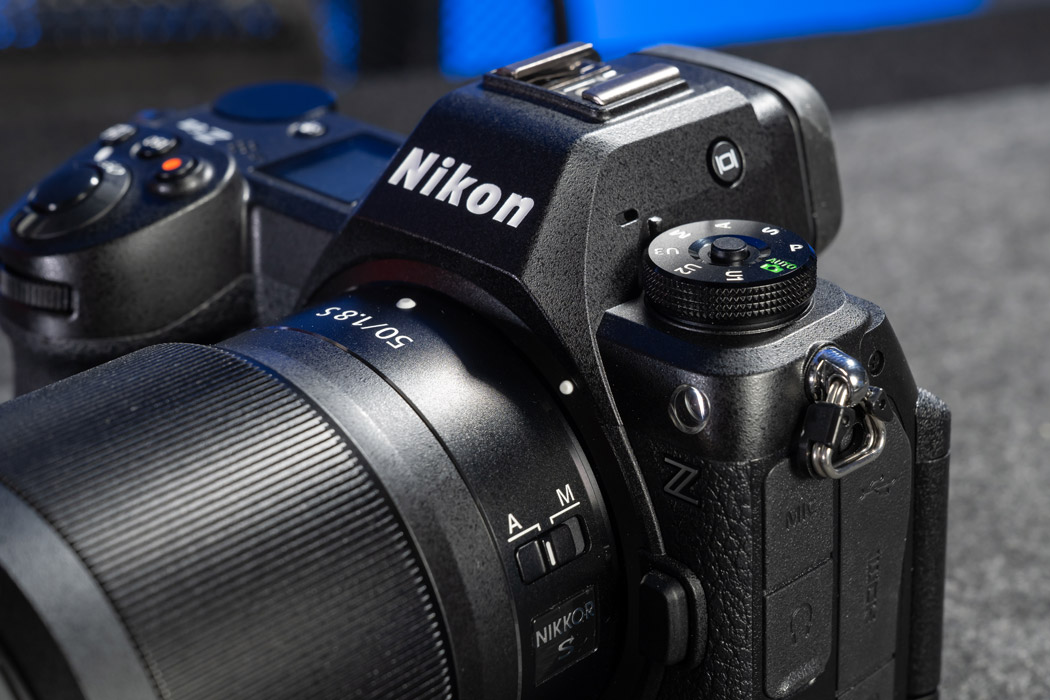
Nikon Z6iii Specifications
| Sensor | 24.5 MP full-frame CMOS, partially-stacked |
|---|---|
| Processor | EXPEED 7 |
| ISO Range | 100–64,000 (expandable) |
| Autofocus System | 493-point phase-detection with 3D tracking & subject recognition (people, animals, vehicles) |
| Continuous Shooting | Up to 120 fps with Pre-Release Capture |
| Video Recording | 6K/60p N-RAW; 4K up to 120p; Full HD up to 240p |
| Stabilization | In-body VR (up to ~8 stops); focus-point VR |
| Viewfinder | 5.76M-dot OLED EVF, DCI-P3, ultra-bright |
| LCD Screen | 3.2″ vari-angle touchscreen |
| Shutter Speed | 1/16,000s (electronic) / 30s–bulb (mechanical) |
| Storage | Dual slots: CFexpress (Type B)/XQD + SD (UHS-II) |
| Connectivity | USB-C, HDMI, Wi-Fi, Bluetooth, Nikon Imaging Cloud |
| Weather Sealing | Yes, rated down to –10 °C (14 °F) |
| Battery | EN-EL15 series (USB charging supported) |
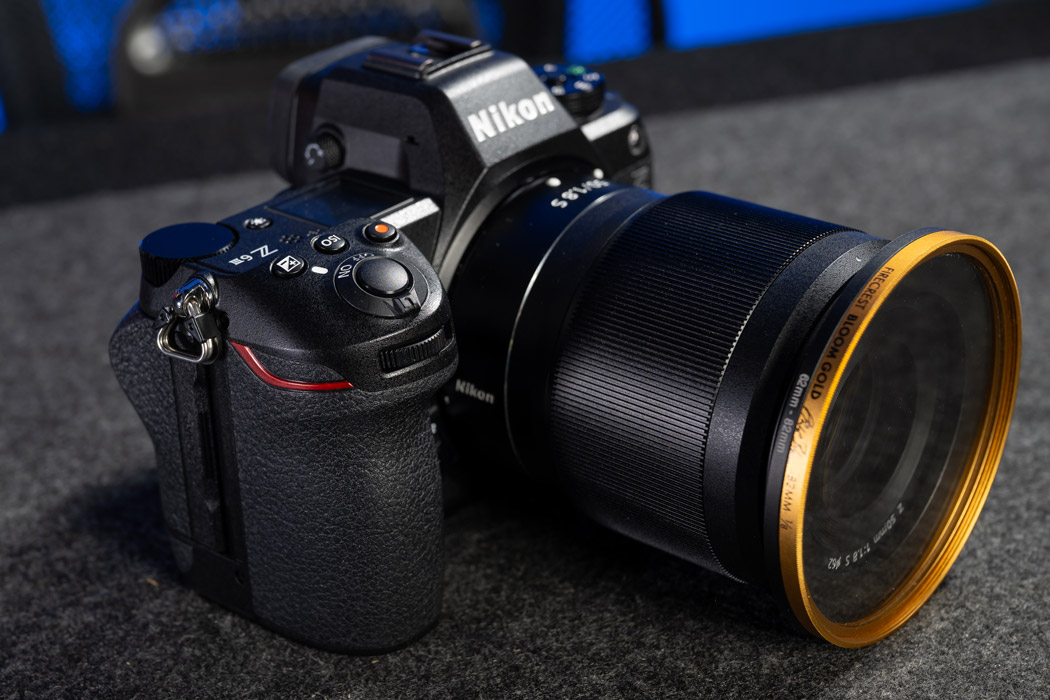
Who Is the Nikon Z6iii For?
The Nikon Z6iii is a fantastic camera for serious hobbyists/enthusiasts, professional photographers and videographers, but it’s almost perfect for hybrid shooters who want top-quality stills and a versatile video camera in one body.
I bought the Z6iii as a highly capable carry-around camera, to use on a gimbal and as a backup to my Z8. My original plan was to sell my Z7ii when I picked up the Z6iii – but I still have the Z7ii and I don’t see myself selling it any time soon.
The Z6iii is an unbelievable all-rounder and has to be one of the best hybrid cameras available in this price range today.
After owning the Z6ii for over two years, I can tell you the Z6iii is a completely different animal altogether. It’s like the Z6ii on steroids: the autofocus is miles better, the video quality is a massive step forward and the increased burst rate is another nice bonus.
If you’re thinking of upgrading from the Z6ii, I’d say go for it – with one important caveat: don’t expect gains in dynamic range. It’s ever so slightly weaker in the Z6iii due to the partially stacked sensor. It’s not a deal-breaker, but it is something worth knowing before you buy.
I have a full Nikon Z6iii vs Z8 review here if you want to know more about their exact differences.
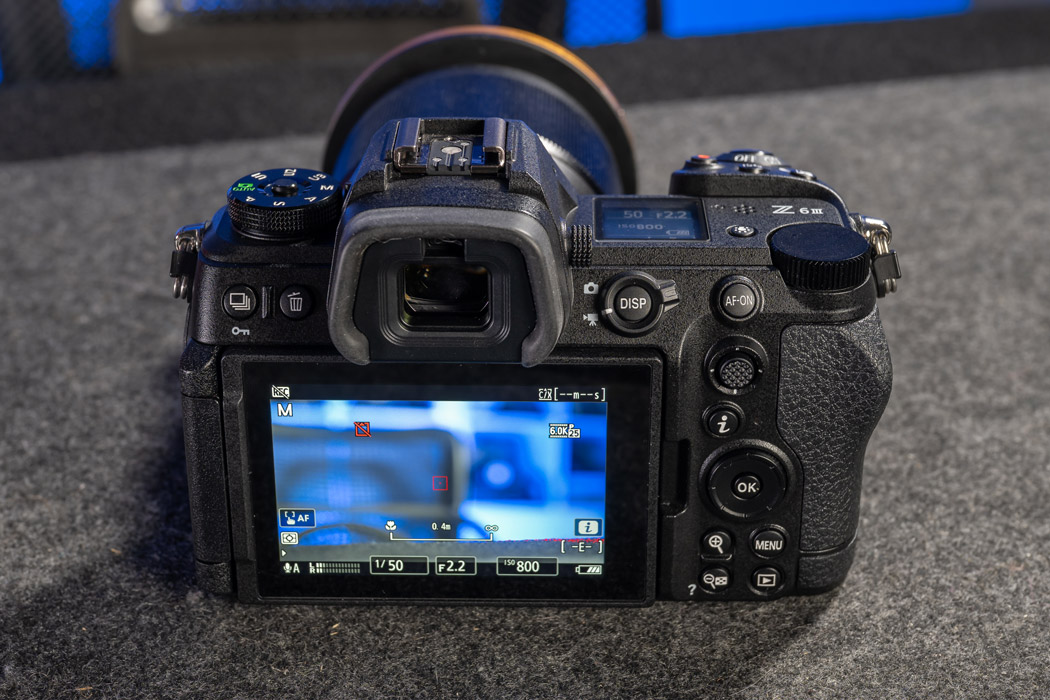
What Makes the Nikon Z6iii Special?
There are a few things that truly make this camera special for me, and the longer I use it the more I appreciate them. I’ll just touch on them briefly here – I have full sections dedicated to each point further down this review.
- Sensor: The partially stacked sensor gives blazing-fast readout speeds at a reasonable price.
- EVF: A fabulous 5.76-million-dot OLED EVF at 120 Hz that’s super bright and detailed.
- Screen: The 3.2″ fully articulating flip-out screen is brilliant for vlogging and flexible shooting angles.
- Size: Both physical size and grip depth are improved over the Z6II and feel better in the hand.
- RAW video: Internal 6K 12-bit RAW video recording.
- IBIS: Up to 8 stops of in-body stabilisation.
- Images: Fantastic colour and reliable autofocus.
These are the main reasons the Nikon Z6iii has earned a permanent place in my kit bag – and what makes it unique in Nikon’s lineup.
Build Quality & Ergonomics
Build Quality
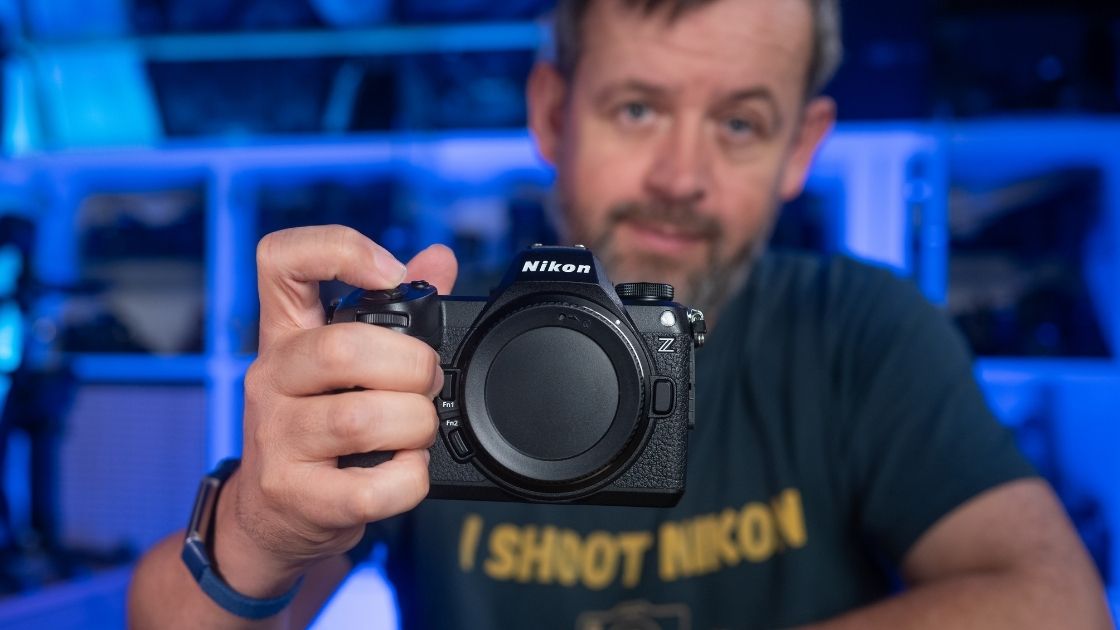
The first thing that will strike you about the Z6iii is its build quality. With its weather-sealed magnesium alloy and carbon-composite body, it feels strong yet reasonably lightweight. Combined with great controls that feel tactile, positive and robust, you get the impression this camera will be around for a long time.
It feels like every other pro-range Nikon mirrorless camera I’ve used – it has that familiar Nikon ergonomics, so it’s easy to transition to and your muscle memory can just take over. Some buttons are in slightly different positions depending on what body you’re coming from, but the main shooting controls are where you expect them.
Even after nine months of use, I still can’t fault the build quality.
Grip, Size & Weight
The Nikon Z6iii is slightly taller than the Z6ii, which for me is a very welcome change – it gives my hand more room on the grip, something I missed from my larger DSLRs.
On many mirrorless cameras the smaller grip makes them feel like toys, and my little finger would often slip off the bottom, with the base digging into my palm when using longer lenses. The Z6iii’s deeper, taller grip is a big improvement. Of course, you can still add a battery grip or L-bracket if you want even more.
The Z6iii measures 138.5 × 101.5 × 74 mm (5.5 × 4 × 2.9 inches), so it’s easy to fit in most camera bags and comfortable to carry all day. Combined with its feature set, it makes a brilliant do-it-all camera.
At around 760 g, it’s fairly lightweight compared to the Z8 and Z9, which is great for travel, hiking and gimbal work. I actually bought the Z6iii mainly for video and gimbal use – but I now use it a lot for stills too.
EVF
One of the biggest improvements for me is the new Electronic Viewfinder.
The Z6III’s EVF has a 5.76-million-dot OLED display that’s pin-sharp and packed with detail, running at 120 Hz with practically no latency and up to 4,000 nits of brightness. It’s a huge update – not only sharper and brighter, but the high refresh rate makes it a joy to use. My Nikon Z8 is definitely a bit jealous of this EVF.
If you shoot a lot of high-fps bursts, there is a slight blackout between frames, so it doesn’t give the totally blackout-free experience of the Z8 and Z9. It’s not a major issue, but it can make tracking very fast subjects a little harder.
Flip-Out Screen
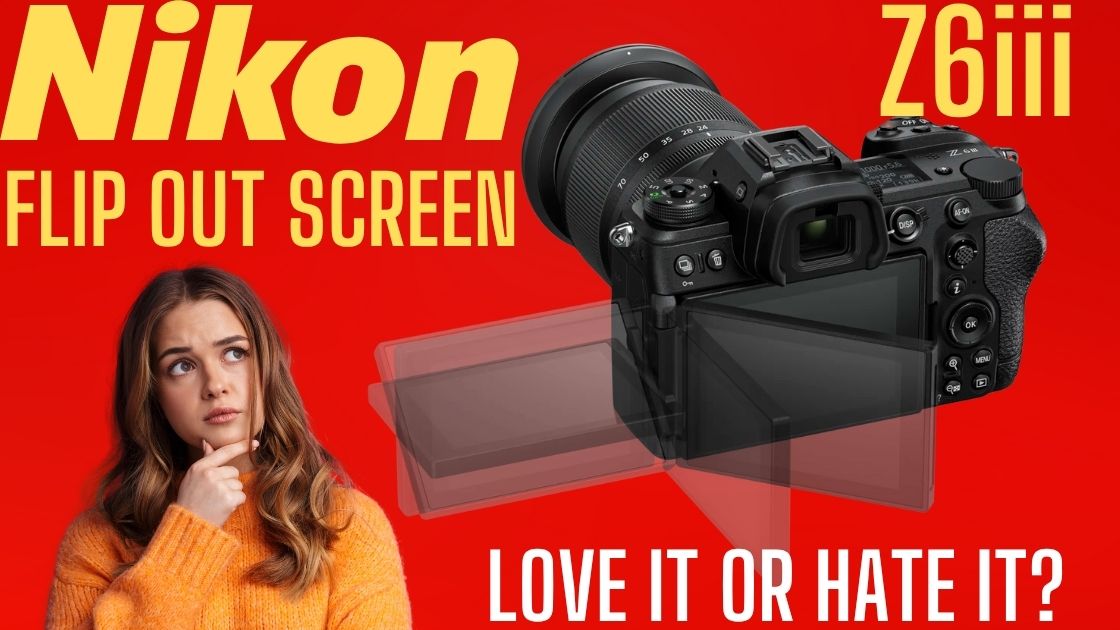
The fully articulating 3.2″ display makes it easy to compose from low angles, over your head and, of course, in front-facing mode for vlogging. You can finally see yourself while filming and double-check that you’re in focus and still recording.
I waited years for this style of screen in a pro Nikon body. When it arrived, I was both delighted and slightly annoyed – like everything, it has pros and cons:
Pros
- You can fully articulate the screen to see yourself for vlogging and self-shooting.
- It works well on gimbals and some shoulder rigs as the rig no longer blocks the display.
- You can flip it inward to protect the screen when shooting in rough conditions.
Cons
- With an L-bracket fitted it can be awkward to tilt quickly, as you have to rotate it a specific way.
- It feels a bit more delicate than Nikon’s more traditional tilting displays.
The videographer in me loves it; the photographer in me has mixed feelings. You’ve been warned. 😉
Dual Card Slots for Redundancy
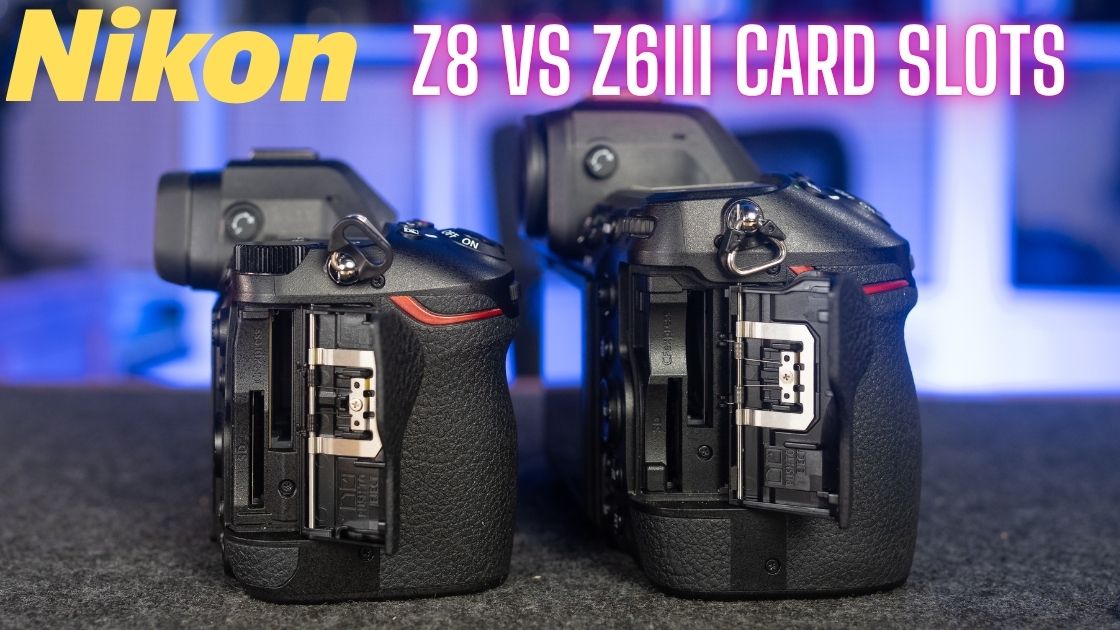
The Nikon Z6iii has dual card slots: one UHS-II SD and one CFexpress Type B (XQD compatible). For professional work this is essential – you always want a backup in case a card fails.
I always set my CFexpress Type B card as my primary because of its high data transfer rate and rock-solid reliability. It’s also vital for 6K N-RAW video and the fast burst speeds this camera is capable of.
Nikon Z6iii Inputs & Outputs
| USB | USB Type-C (SuperSpeed, data transfer & charging support) |
|---|---|
| HDMI | HDMI Type A (full-size) for external monitors/recorders |
| Headphone | 3.5 mm stereo headphone jack for monitoring audio |
| Microphone | 3.5 mm stereo mic input for external microphones |
| Remote Control | Accessory terminal for wired remotes (MC-DC2 compatible) |
| Flash Sync | Hot shoe (supports Nikon Speedlights & wireless flash systems) |
| Wireless | Wi-Fi (2.4/5 GHz) and Bluetooth for image transfer & remote control |
Nikon Z6iii Sensor design
Partially Stacked Sensor Technology
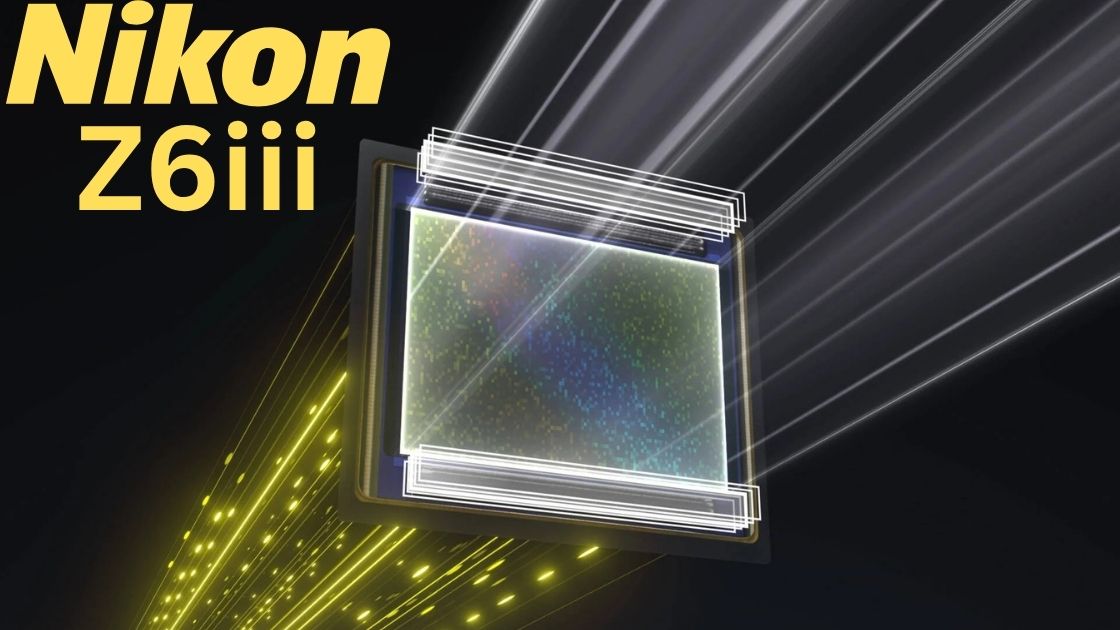
The Nikon Z6iii is the first camera in the world to have a partially stacked sensor, as you can see from the image above the stacked parts are the strips at the top and bottom of the sensor.
These stacked strips help to give the sensor faster readout times so you can then shoot 6k RAW video and oversampled 4K60P with very little (if any) rolling shutter and all at a very reasonable price.
Sensor Readout Speed
This new design has a fast sensor read time of approx 14ms and while it’s not as fast as a fully stacked sensor like the Z8 and Z9 which are around 3.7ms, it’s still much quicker than the older back-side illuminated sensors which were 50ms and slower.
What This Means For Performance
Having a Partially stacked means that the imaging layer in the stacked section of the sensor is stacked with on-chip memory. This basically allows the camera to read the sensor data extremely quickly. This is like switching on turbo boost for your sensor and it then can deliver faster frame per second in burst mode for stills and higher resolution video recording at higher frame rates also.
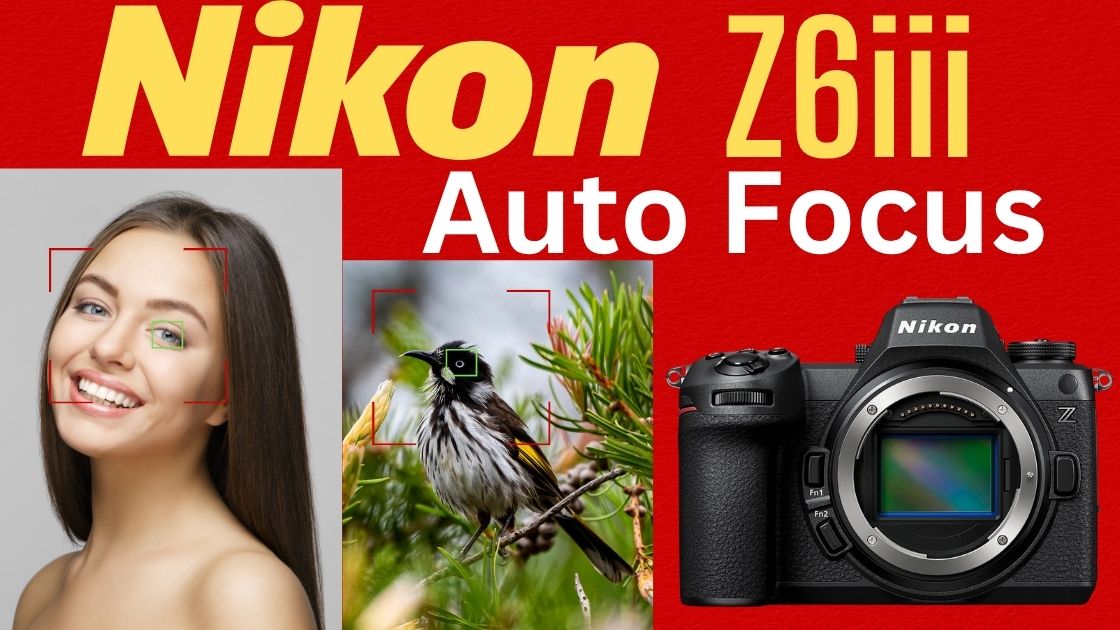
Nikon Z6iii Autofocus and Burst rates.
Autofocus Performance
The Nikon Z6iii’s auto focus is really good and I do mean really good, this is mostly due to the EXPEED 7 processor which is the same processor used in the Z8 and Z9, so you are getting near flagship Auto Focus performance in the Z6iii.
The Z6iii though is just like my Nikon Z8, so rest assured the auto focus performance on this camera is fantastic. It’s fast, precise and sticky in 3D tracking, eye AF and all the other subject detection modes just like its bigger brothers.
Now a point to note here is the Auto Focus isn’t exactly the same as the Z8 and Z9’s but it’s so close it’s hardly worth talking about. Again I go into this in more detail in my Nikon Z8 vs Z6iii review.
I have to say though the Z6iii’s Auto Focus is a massive improvement over the older Z6ii’s which was good enough but I did find it struggled in low light situations and it just half as good as the Z6iii for eye AF or subject tracking. So if you are upgrading from the Z6ii this is a big step up.
Burst rates
Ok, so let’s talk about burst mode and the Z6iii can do up to 120 fps per second in Jpeg BUT that’s in DX mode which gives you 10mp images, or it will give you 60FPS in Jpeg at full resolution or 24mp.
In Raw you can get a up to 20fps in electronic shutter mode thanks to the partially stacked sensor. With the mechanical shutter you then get a more average performance of approx 14fps in Raw.
You also have Pre release capture at up to 120fps for up to one second.
This is all of course powered by the Expeed 7 processor…
You can see my full Nikon Z6iii auto focus setup in the video below.
Nikon Z6iii Image Quality (photography).
The Z6iii from a photography perspective is great as it produces lovely vibrant 24mp images with tons of detail and gorgeous skin tones, backed up by good dynamic range and great high ISO performance. So essentially it’s a jack of all trades and excels at everything. But let’s look at all of these aspects in a bit more detail now…
Colouring
The colouring in the Nikon Z6iii is just fantastic and I am loving the tones it produces, straight out of camera they just look really good, so you don’t need to do any serious work to get naturally vibrant images in post processing.
I would definitely put it on par with my Z8 from a naturally pleasing colour perspective and we all know how good the Nikon Z8 and Z9 are.
Again this should be no surprise from a Nikon Professional series camera and this camera lives up to that reputation.
Dynamic Range
Looking at Dynamic range now and as a seascape photographer dynamic range is huge for me and this camera has stops about 10.46 stops of dynamic range which is lower than the Z6ii, Z7ii, Z8 and Z9.
There is still loads of dynamic range for normal use, but if you push your dynamic range to it’s limit normally then the Z6iii might struggle slightly here for you.
The main culprit here has to be the partially stacked sensor, that’s what’s limiting your dynamic range slightly. As a result it’s just not up there with the best as regards dynamic range but this camera offers so much more in other ways.
What all this means is the dynamic range isn’t a problem it’s just not a plus point for this camera.
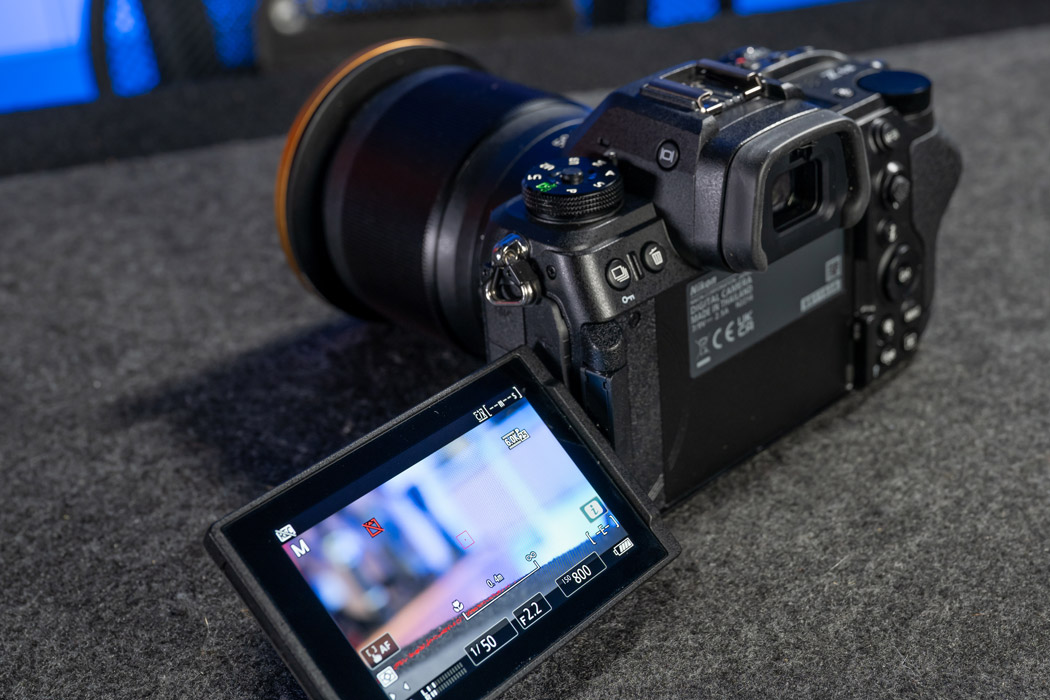
ISO Performance & Low Light
Looking at High ISO performance now and this camera produces nice clean images even at higher ISO’s so if you shoot in low light conditions that’s a nice bonus. Personally I set my Max Auto ISO for normal use up at ISO 6,400 and the results are great.
Using higher ISO’s is no issue either but we all have different tolerances to ISO noise and for safe use I set mine to 6,400.
Shooting Astro or using this camera in very low light situations is no problem either as results at up to ISO 25,600 are very respectable and with it’s ISO reaching up to ISO 64,000 and beyond in the Extended range the Z6iii has you covered.
It’s standard base ISO is ISO100 and its second base ISO is ISO800 as this camera has a dual base or native ISO.
From an image quality perspective the Nikon Z6iii is amazing… Dynamic range being the only very slight mark on it’s near perfect score card so far and again it’s not an issue but just something to know before you buy it.
Every camera has its uses and pros and cons, hence why I have three working cameras here that I use regularly, we won’t talk about the retired models 🙂
Camera Features and Technology
IBIS
Another big positive for the Z6iii is that it has 8 stops of In Body Image Stabilisation or IBIS just like the Nikon ZF (review here). Yes, that’s right the Z6iii has 8 whole stops when used with a compatible Nikon lens whereas the Z8 and Z9 only have 5.5 stops.
This is great for people shooting handheld with longer lenses or shooting in lower light conditions as we can use far slower shutter speeds.
To highlight how much of a difference this makes with the Z8 you might be able to go to 1/60th of a second before you create motion blur due to camera movement. With the Z6iii you can go to 1/13th of a second before you create motion blur like you did with the Z8.
That’s giving you nearly 2.5 stops more light as a result, which is a big deal.
Now a point to note here is the Nikon ZF’s sensor never locks in place so it kind of rattles when the camera is switched off. The Z6iii doesn’t have this rattle as the sensor is parked when powered off.
User profiles
The Nikon Z6iii has 3 different User settings which are bit like the memory banks you have in the Z8 and Z9. You can have these User Settings setup for different genres of photography, so you can quickly switch from one mode to the next.
Personally, I set U3 to the factory default basic settings so I can just hand the camera to someone and they can actually use it, without knowing about back button focus or anything like that, it’s just on Auto.
The other two settings U1 and U2 as I have them setup for landscapes and portraits so I can super quickly pop from one to the other, so I never miss a shot again.
You can of course set to them whatever suits you and your style of photography. So you just have to flick that dial and off you go.
Pixel Shift
The Z6iii has pixel shift technology built-in which gives us the option of capturing images up to 96mp in size from our 24mp camera.
This is done by the sensor moving position while capturing the burst of images and you can then stack all these images together in post processing to create this huge 96 megapixel image.
Videography
From a videography perspective the Nikon Z6iii is jaw droppingly good for a few different reasons, firstly, it’s Internal 12 bit raw recording at up to 6K 60p is insane. Secondly, we have gorgeous oversampled 4K60P which is crazy when you consider the price of this camera.
6K is incredibly handy for me personally as I tend to use the added resolution for cropping in post or creating a small bit of movement in talking head videos while still giving a full 4K output.
I will be adding to this videography section over the coming weeks…
The range of codecs and recording resolutions are listed below.
I also have a few videos below on how I setup my Nikon Z6iii for video use which might help a bit.
Nikon Z6iii Video Recording Formats, Resolutions & Codecs
| Resolution / Frame Rate | Codec / Format | Bit Depth / Color | Notes |
|---|---|---|---|
| 6K (5376×3024) up to 60p | N-RAW (.NEV) | 12-bit RAW | Full-sensor readout; records 1080p H.264 proxy MP4 simultaneously |
| 6K (5376×3024) up to 60p | ProRes RAW HQ (MOV) | 12-bit RAW | High-end RAW option; includes proxy MP4 recording |
| 5.4K (approx. 5376×3024) up to 60p | ProRes 422 HQ (MOV) | 10-bit 4:2:2 | All-Intra compression; ideal for post-production workflows |
| 4K UHD (3840×2160) up to 120p | H.265 (MOV) | 10-bit 4:2:0 | Oversampled from 6K sensor area; slight crop at 100/120p |
| 4K UHD (3840×2160) up to 60p | H.265 (MOV) | 8-bit or 10-bit | Supports N-Log, HLG, or SDR gamma profiles |
| 4K UHD (3840×2160) up to 60p | H.264 (MP4) | 8-bit 4:2:0 | Smaller file sizes; broad compatibility |
| Full HD 1080p up to 240p | H.265 / H.264 (MOV / MP4) | 8-bit / 10-bit | High-speed slow-motion recording; sound disabled in slo-mo mode |
Audio & File Details
- N-RAW / ProRes RAW HQ / ProRes 422 HQ: Linear PCM 48 kHz 24-bit audio
- H.265 / H.264 (MOV / MP4): Linear PCM or AAC 48 kHz 16-bit audio (depending on mode)
- Proxy recording: 1920×1080 H.264 MP4 (8-bit) is generated alongside RAW files for quick playback
Frame rates include: 23.98p / 24p / 25p / 29.97p / 50p / 59.94p / 100p / 119.88p depending on mode and region.
Nikon Z6iii Pros & Cons
Pros |
Cons |
|---|---|
|
|
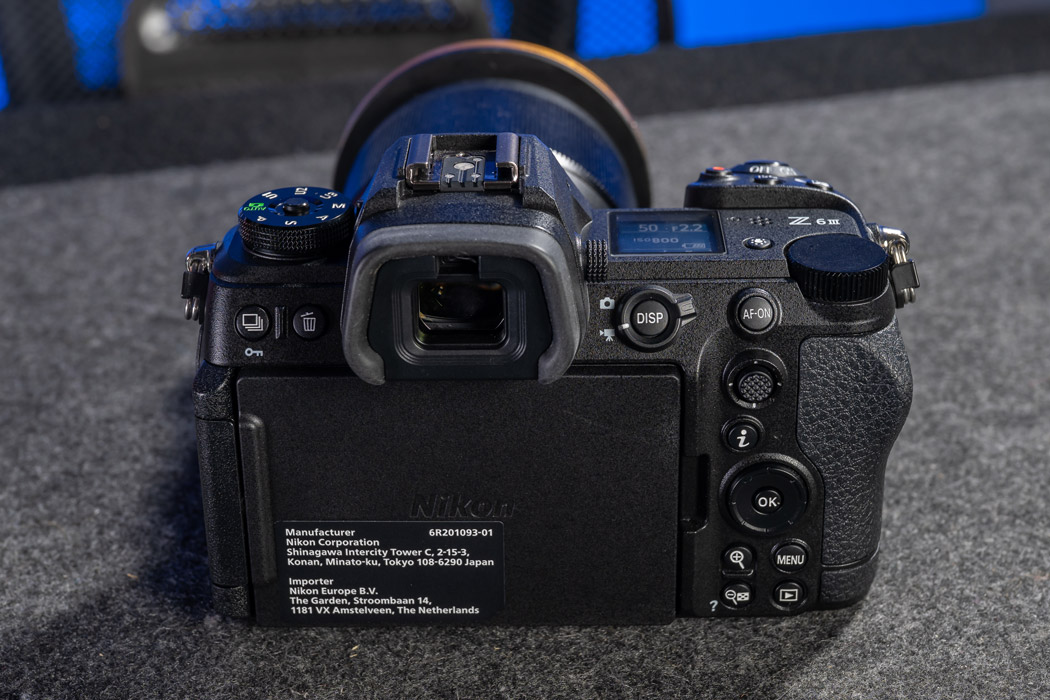
Review Conclusion.
So, it’s review conclusion time and yes you guessed it I love the Nikon Z6iii, that’s why I bought it, it’s a fantastic camera that delivers gorgeous colouring, sharp crisp imagery, great focusing, 120fps stills, 8 stops of IBIS, has a fantastic screen and EVF and best of all it has 6k internal raw recording to name just a few of its pro’s and all of this for a reasonable price.
With its only cons being no inbuilt flash which is nearly standard now and a slight weaker dynamic range but it is only slightly weaker.
I am loving this camera so far and I think it’s a perfect partner for my Nikon Z8 (review here) what do you think of the Z6iii, is there something missing from it? The only way I could improve this camera would to make it 33 or 36mp for stills now that would be one great camera then. Is that the Z6iv maybe?
Where to buy…
These are affiliate links so if you purchase through them I may get a slight commission but it doesn’t cost you anything so thank you for supporting my reviews, channel and website.
I am now left with one big problem and that’s what do I do with my Nikon Z7ii (review here) now? Should I sell it or keep it? What would you do?
Anyway thanks again for reading my Nikon Z6iii review and I hope it helped you figure out if this camera is right for you or not.
I have several more in depth Nikon reviews here and of course my Nikon Z mount lens reviews here like the Viltrox 56mm F1.2 Pro review here. from both Nikon and other manufacturers if you want to check them out.
See you out there,
Kieran.

About the Author
Kieran is a professional fashion and commercial photographer with over 15 years of experience and a long-standing passion for landscape photography.
He works with photography gear in real-world, professional environments where reliability, performance, colour accuracy and durability matter most.
His reviews reflect the practical demands of both paid client work and the creative freedom of his own personal projects.
Frequently Asked Questions (Nikon Z6iii FAQ)
-
Does the Nikon Z6iii shoot internal RAW video?
-
What are the maximum video resolutions and frame rates?
-
Is the Nikon Z6iii good for photography as well as video?
-
Does the Z6iii have good autofocus?
-
Is the Nikon Z6iii weather sealed?
-
Does the Z6iii have a built-in flash?
-
Can you charge the Nikon Z6iii via USB-C?
-
How many user profiles does the Z6iii have?
-
Does the Z6iii support dual card slots?
-
Is the Z6iii compatible with older Nikon lenses?
Nikon Z6iii Review : Why I love this camera in 2026

In this Nikon Z6III review I am going to walk you through my experiences using this camera for nine months in my professional workflow...
4.8
Pros
- Better EVF with bright, detailed viewing
- Great fully articulating back display
- Amazing image quality
- Awesome autofocus performance
- Solid build quality with weather sealing
- 3 customizable user profiles
- Up to 120 fps max burst rate
- 8 stops of in-body image stabilization
- 6K60P RAW internal recording
Cons
- No built-in flash
- Size and weight may feel heavy for some users
- Dynamic range is slightly lower than the Z6ii
- Higher price point compared to some rivals