Freewell × Dunna Locking ND Filter Review: A Square Filter User’s Verdict
By a professional photographer with 20+ years of hands-on camera experience · Published November 2026
Freewell × Dunna Locking ND Filter Review: Can a Magnetic Kit Replace My 100mm Square Filters?
I’ve used 100mm square filters for my landscape work for over 14 years. A holder, adapter rings and a pouch full of glass. It works and I trust it. So when Freewell asked if I wanted to review their new magnetic locking filter system, built with filmmaker and YouTuber Dunna Did It, I’ll be honest: I had to think about it. I did my research and I was still a bit sceptical.
I said yes because I liked the idea. Four weeks later, after using it around West Cork on my Nikon Z8 and Z7II, I can tell you exactly where it beats my square system, where it doesn’t and who should buy it.
Full disclosure: Freewell sent me this kit to review. I wasn’t paid and they’ve had no input into this review or the video, just like every other review on this site.
Freewell × Dunna Review: The Quick Verdict
The bottom line: After a month of use around West Cork, this has earned a permanent place in my travel bag. The twist lock means filters can’t be knocked off, the solid NDs are under 3mm thick and the colour is genuinely neutral. It won’t replace a square system if you rely on graduated filters, but for travelling light it’s excellent.
- Magnetic twist lock: no filter came loose in four weeks
- Very slim filters for stacking on wide lenses
- No visible colour cast, even on the ND1000
- Tiny and light, ideal for travel and hiking
- One kit covers every lens with extra base rings
- No graduated filters in the system
- Swapping NDs mid-shoot is slower than sliding square filters
- The carry case is bigger than the kit needs
Watch my full Freewell × Dunna filter review video.
What Is the Freewell × Dunna Filter System?
It’s a circular filter system that attaches with magnets and then locks with a short clockwise twist. It was developed with Dunna Did It and launched at the end of August 2026.
You screw a thin base ring onto your lens once. After that every filter simply snaps on and you turn it to lock it, so it can’t be knocked off. Filters also stack onto each other the same way.
There are two kits: a videography kit with lighter NDs for holding cinematic shutter speeds and a photography kit built around long exposures and landscapes. I tested the 82mm photography kit, mostly on the Nikon Z 24-70mm f/2.8 S and the Z 14-30mm f/4 S.
What’s in the 82mm Photography Kit
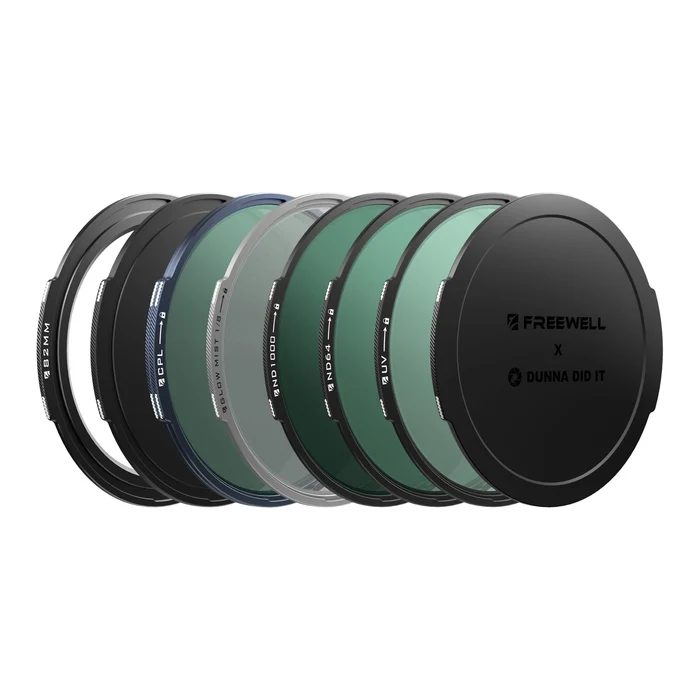
- ND64 — 6 stops
- ND1000 — 10 stops
- Circular polariser (CPL)
- UV filter
- Glow Mist 1/8 — a subtle diffusion filter
- 82mm base ring
- Front cap with a built-in grey card and a back cap
- Padded carry case, buckle accessory and cleaning cloth
Key Specifications
- Solid ND thickness: 2.95mm
- Solid ND weight: 18.4g each
- Kit sizes: 67mm, 72mm, 77mm, 82mm, 86mm and 95mm
- Extra base rings: 49mm to 95mm, sold separately
- Maximum recommended stack: 3 filters
- Price: $299.99 (down from $350 at the time of writing)
My advice with any circular system is the same: buy the kit in your largest filter thread and add cheap base rings for your smaller lenses. One set of filters then moves across your whole lens collection.
Stack the ND64 and ND1000 together and you get roughly 16 stops of light reduction, which is plenty for daytime long exposures of several minutes. You can add the Glow Mist on top if you want a softer look.
Three Things That Make It Different
There are plenty of magnetic filter kits on the market now. These are the three things that stood out for me.
1. It locks
Most magnetic filters rely on the magnet alone. That’s fine until you knock your tripod off a rock while recomposing and find your filter in pieces on the ground, or until a filter gets swiped off as you put the camera back in your bag. Here you snap it on and give it a short turn. In four weeks of use I didn’t have a single filter pop off or work loose.
2. It’s genuinely slim
At under 3mm per solid ND, these are thin. That matters when you stack filters on a wide-angle lens, because thick filters add up quickly and start to cause vignetting in the corners.
That slimness pays off. Even with filters stacked on the Nikon Z 14-30mm f/4 S at 14mm, I saw no vignetting at all.
3. True colour
Freewell’s big claim is that these are true-colour filters, with no colour cast. That’s a bold claim for a ten-stop ND, so I tested it properly with a colour chart.
Colour Cast and Sharpness Tests
Colour cast
I shot a SpyderCheckr colour chart three times: no filter, the ND64 and the ND1000. White balance was fixed for all three and only the shutter speed changed. Click or tap any chart to see it larger.
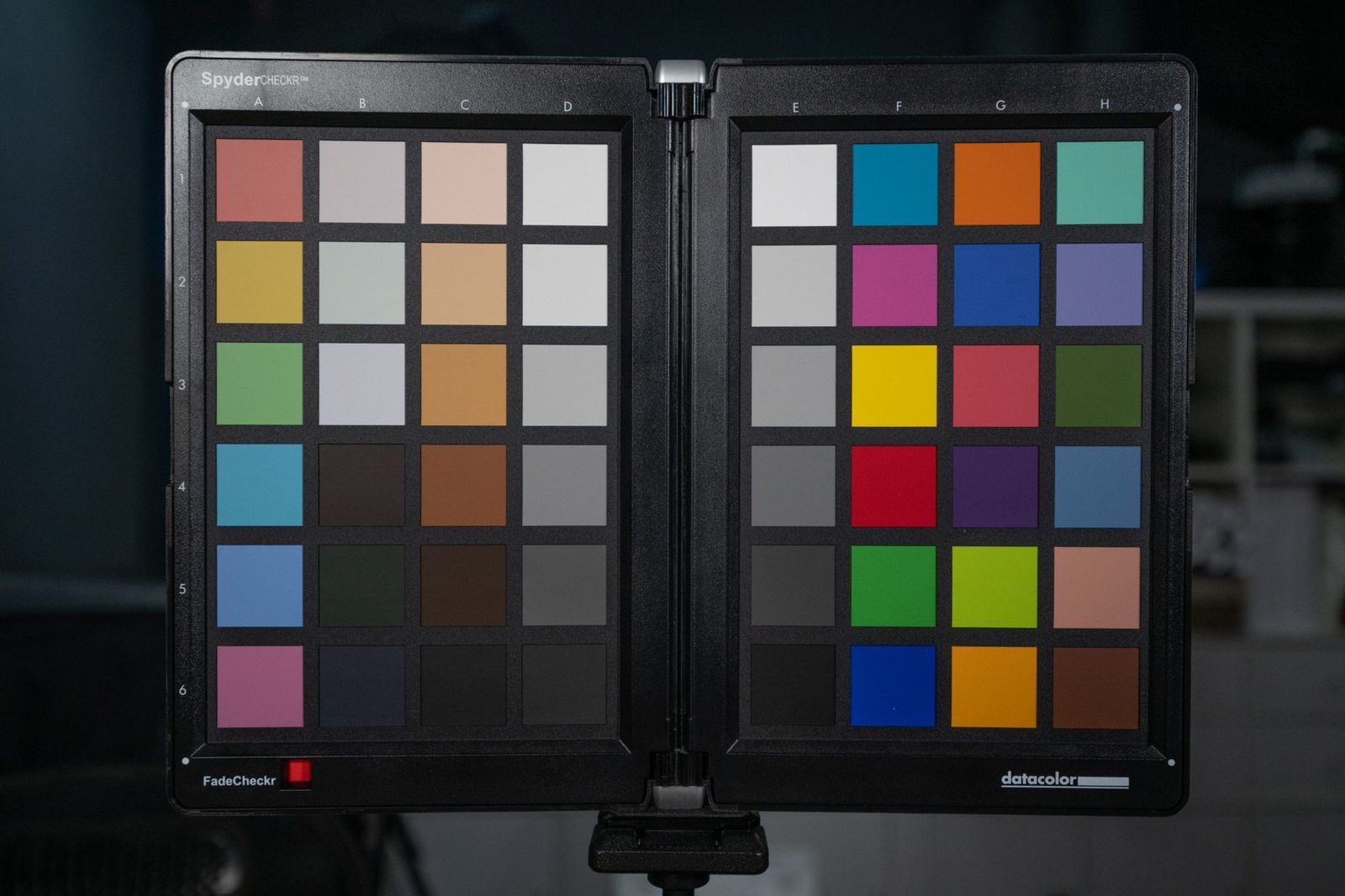
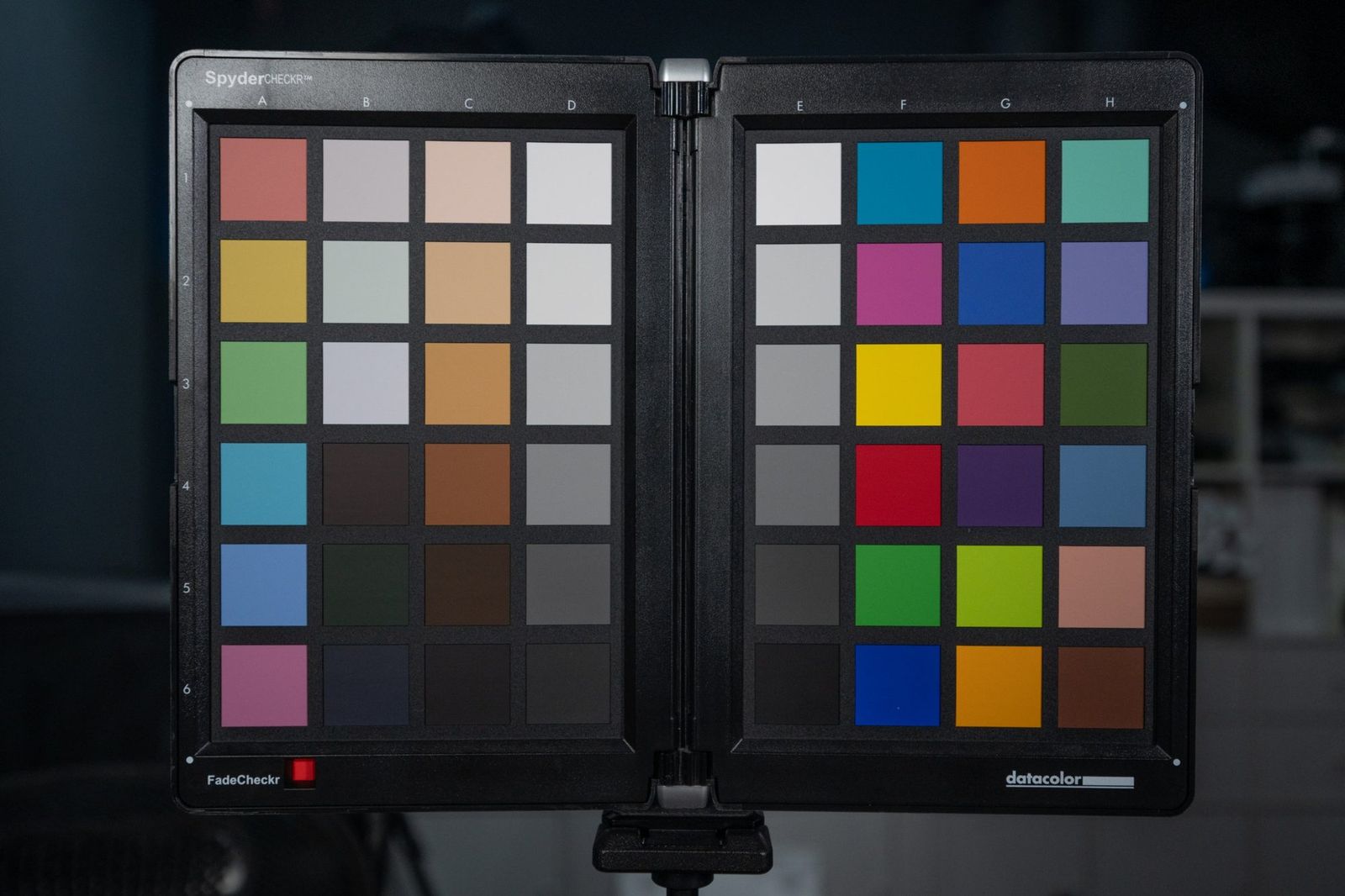
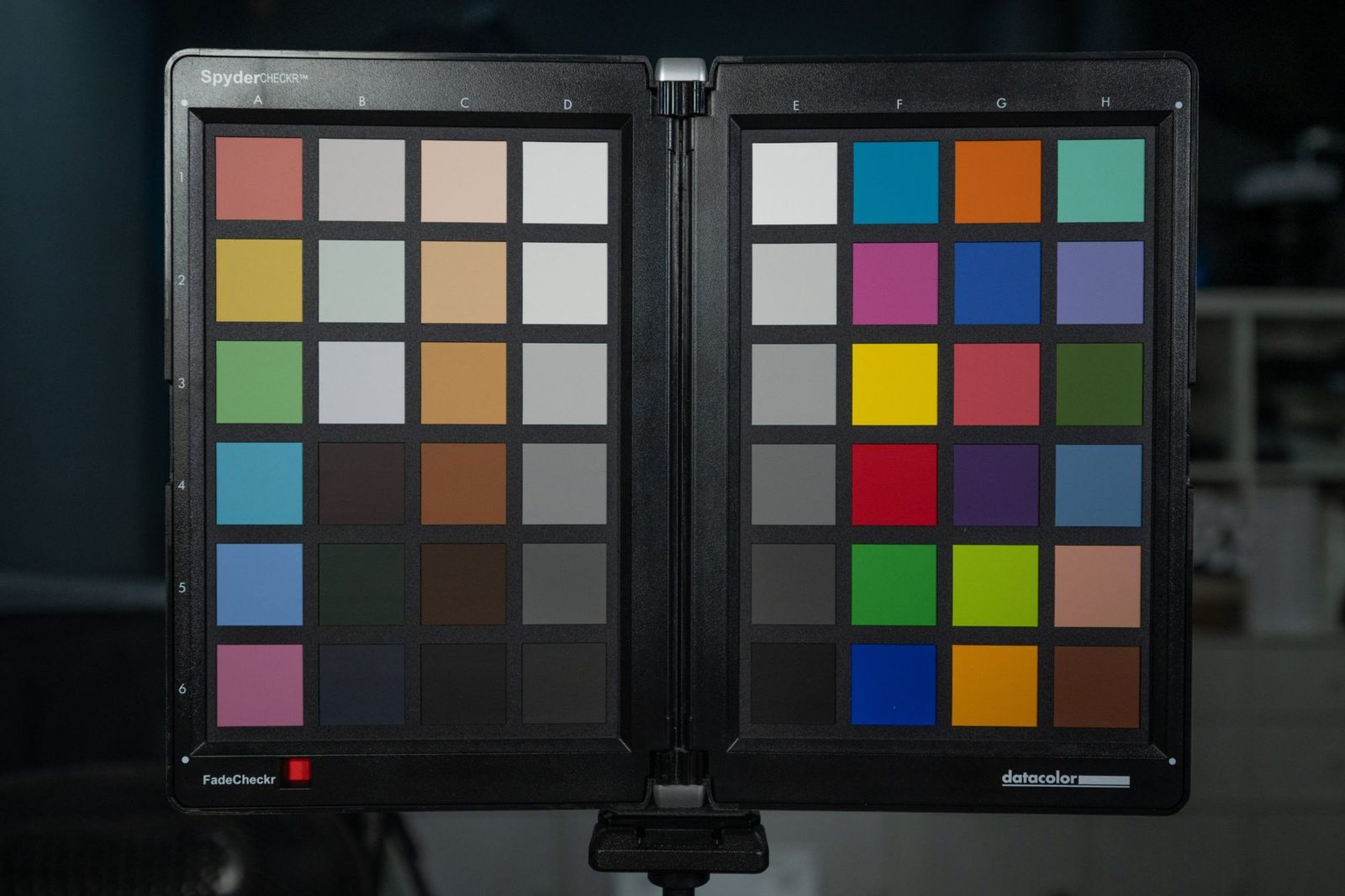
The results were very good. Measured on the grey patches, the three frames came out within one to three levels of each other on a scale of 0 to 255. The ND1000 has the faintest green tint in the mid greys, but you’d need software to find it. In practice there’s no colour cast to correct, which is exactly what Freewell claims and more than I can say for some ten-stop filters I’ve used.
Sharpness
Putting extra glass in front of a sharp lens always costs something in theory, so I looked closely at the files with and without the filters. I didn’t notice any change in sharpness in the images. Fine detail like the lichen on the rocks in the shots below holds up just as well with the ND1000 on.
Coming From 100mm Square Filters: the Adjustment
This is the part that matters most if, like me, you already use a square system. Circular magnetic filters aren’t for everyone and there are two reasons why.
Graduated filters
If you rely on graduated ND filters to balance your skies, this kit won’t replace your square system. There’s no grad in the kit and a circular grad can’t be slid up and down to match your horizon.
Swapping filters fast
The twist lock is quick to get used to. That isn’t the problem. The slight issue is where you put the filter you’ve just taken off.
Say I’m shooting a sunset with the ten-stop on and the light is fading, so I want to drop to the six-stop. I take off the ten-stop, find somewhere to put it, snap on the six-stop and then put the ten-stop back on the stack in the case. With my square system I slide one filter out and the next one in. No thought, no lost time and my attention stays on the photograph.
Yes, I’m being picky. It took me about three days to adjust and once you have a routine it’s very manageable. My fix would be to keep the filters together in the case for travelling, then carry them separately in a small pouch while shooting.
Where It Wins: Travelling Light
Now the flip side. This kit is tiny. I can drop it in any bag and have almost everything I need for long exposures without carrying a holder, adapter rings and a full filter pouch.
For travelling, hiking or getting on a plane, that’s a big deal. On one of my shoots for this review I honestly wouldn’t have brought my 100mm kit at all, because I knew I’d be carrying my bag all day. I’d have come home without the images below. The best filters are always the ones you have with you and these can be with you all the time.
My one small gripe with the packaging: the padded case is excellent protection and has room for extra filters, but it’s bigger than such a compact kit needs. I’ll probably move mine into a smaller case.
Real-World Results
These were all shot on the Nikon Z8 on the Caha Pass and on the coast near Eyeries, out on the Beara Peninsula, with white balance fixed. Each pair is the same scene with and without the filter, so you can see exactly what it does. Click or tap any photo to see it larger.
Each pair has exactly the same edit applied to both shots. The light was changing a lot on the day, so any very slight differences you see between them come from that, not the filter.
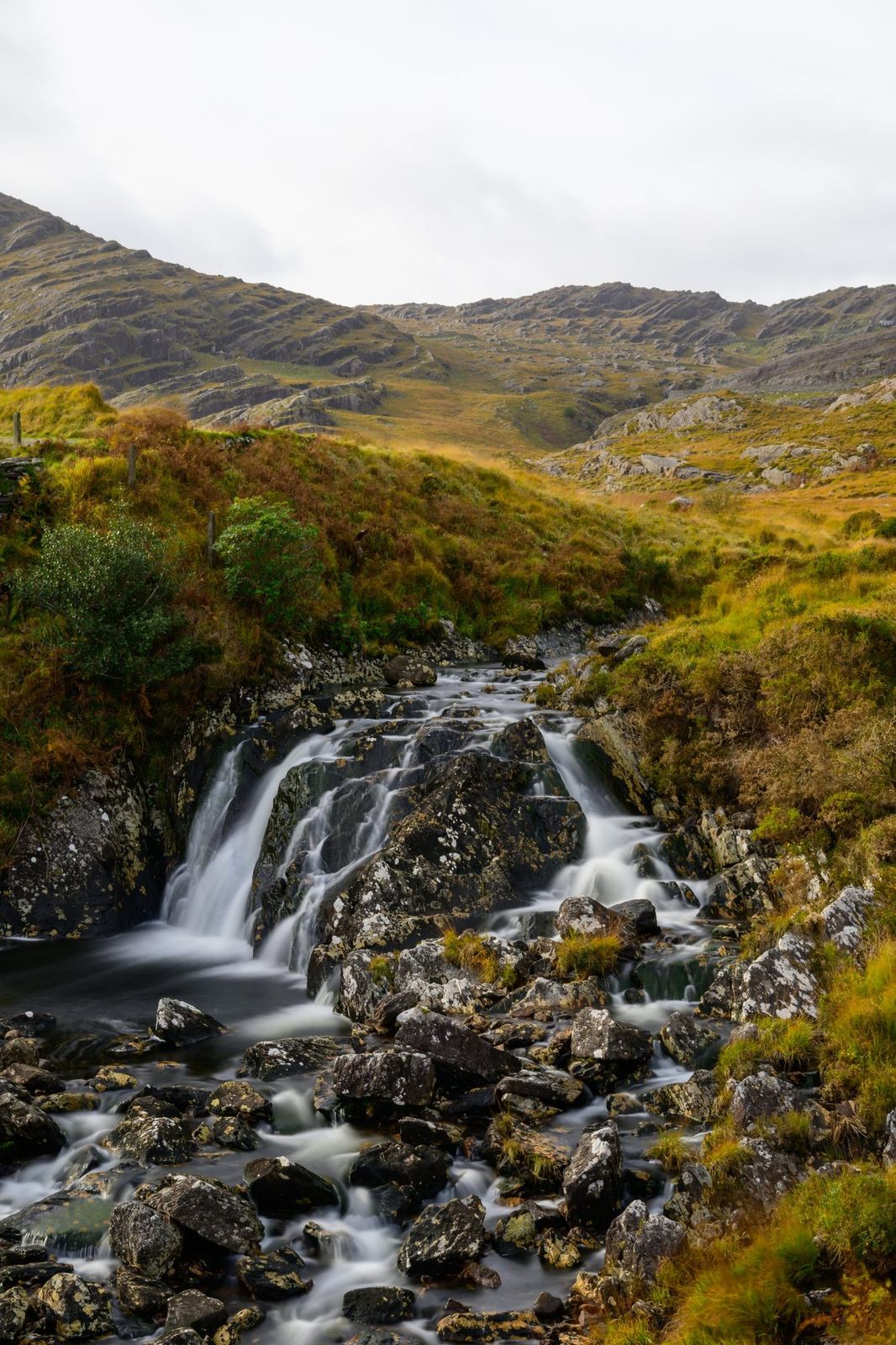
ND1000 on a mountain stream, Caha Pass
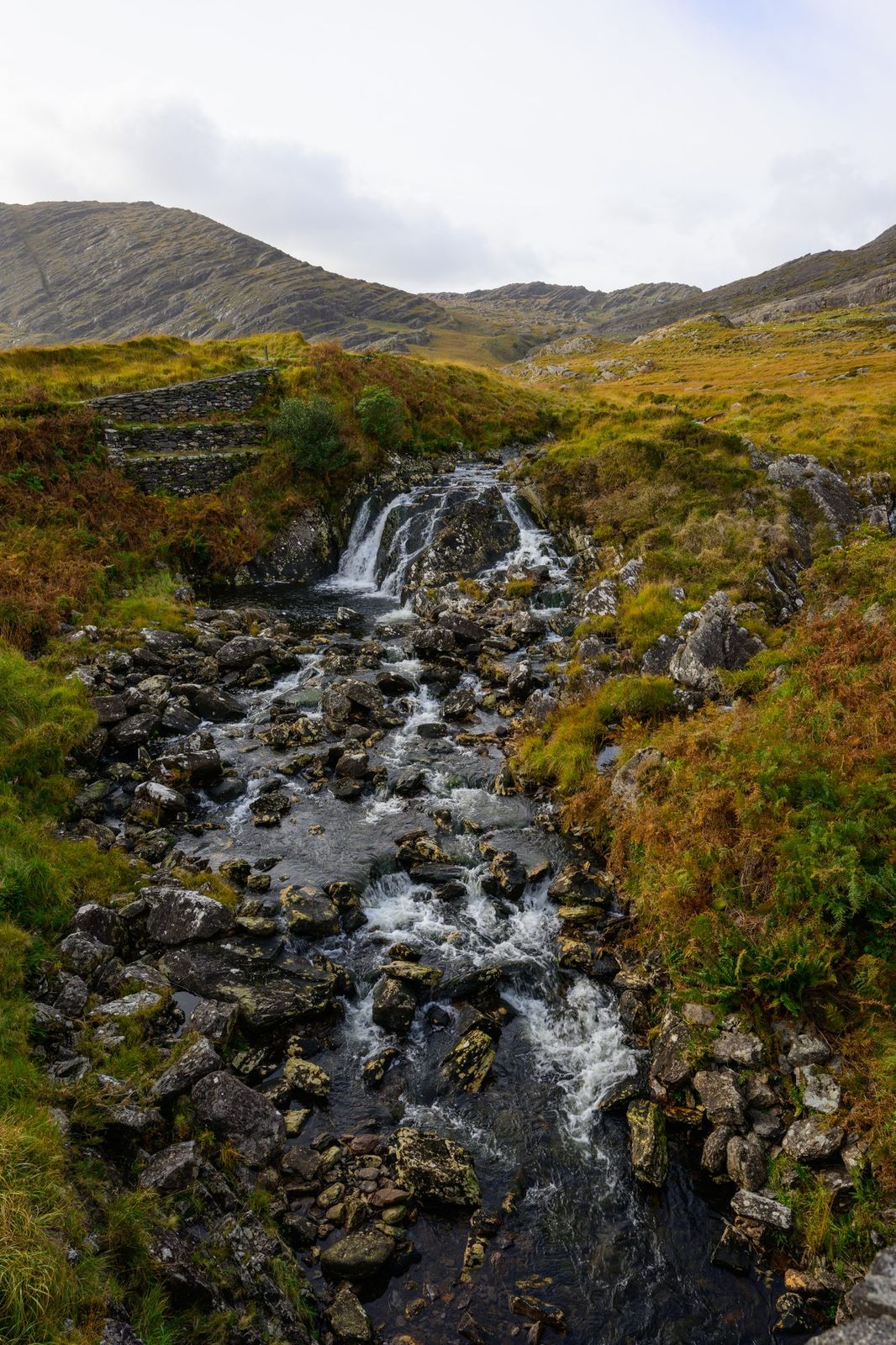
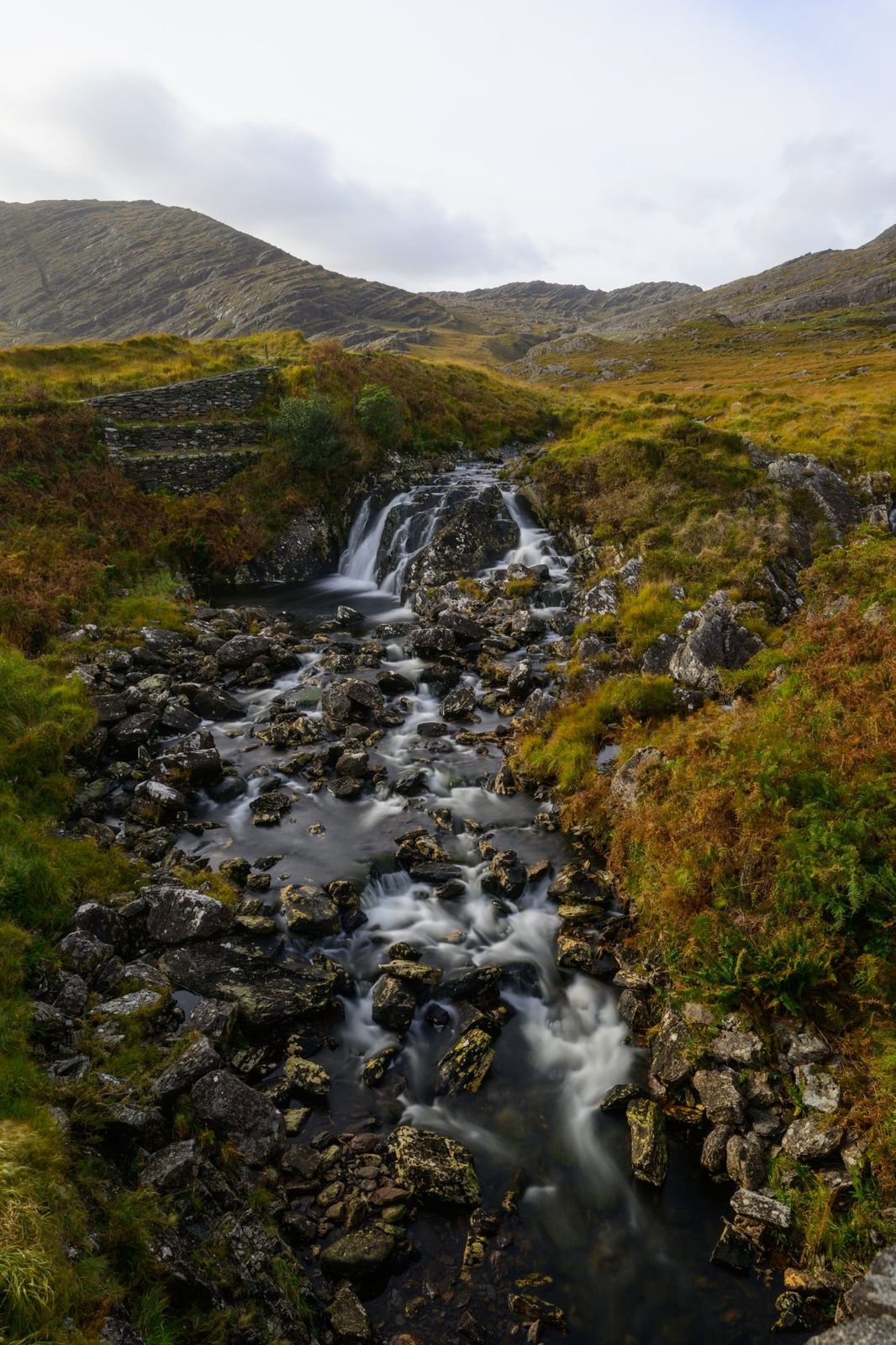
Going from 1/50s to 15 seconds changes everything. Without the filter the water is frozen into white spray. With the ten-stop on, the stream turns into smooth, flowing lines and the eye follows it up to the falls and the mountains behind.
ND1000 on a waterfall, Caha Pass
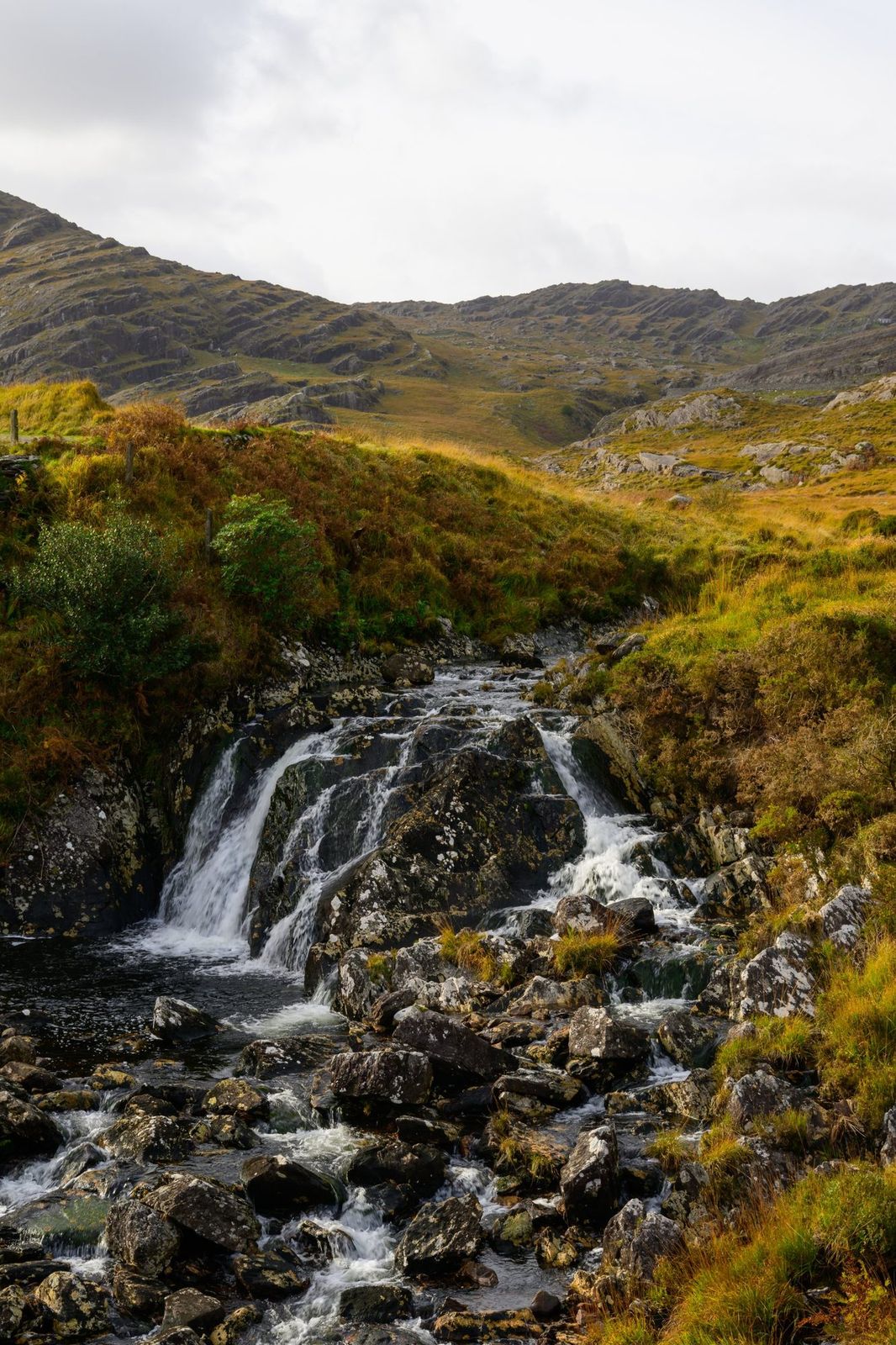
The same story on the falls, from a little closer in. Look at the autumn grasses and the lichen on the rocks: there’s no colour cast from the filter, which backs up the chart test.
ND1000 on the Atlantic coast near Eyeries
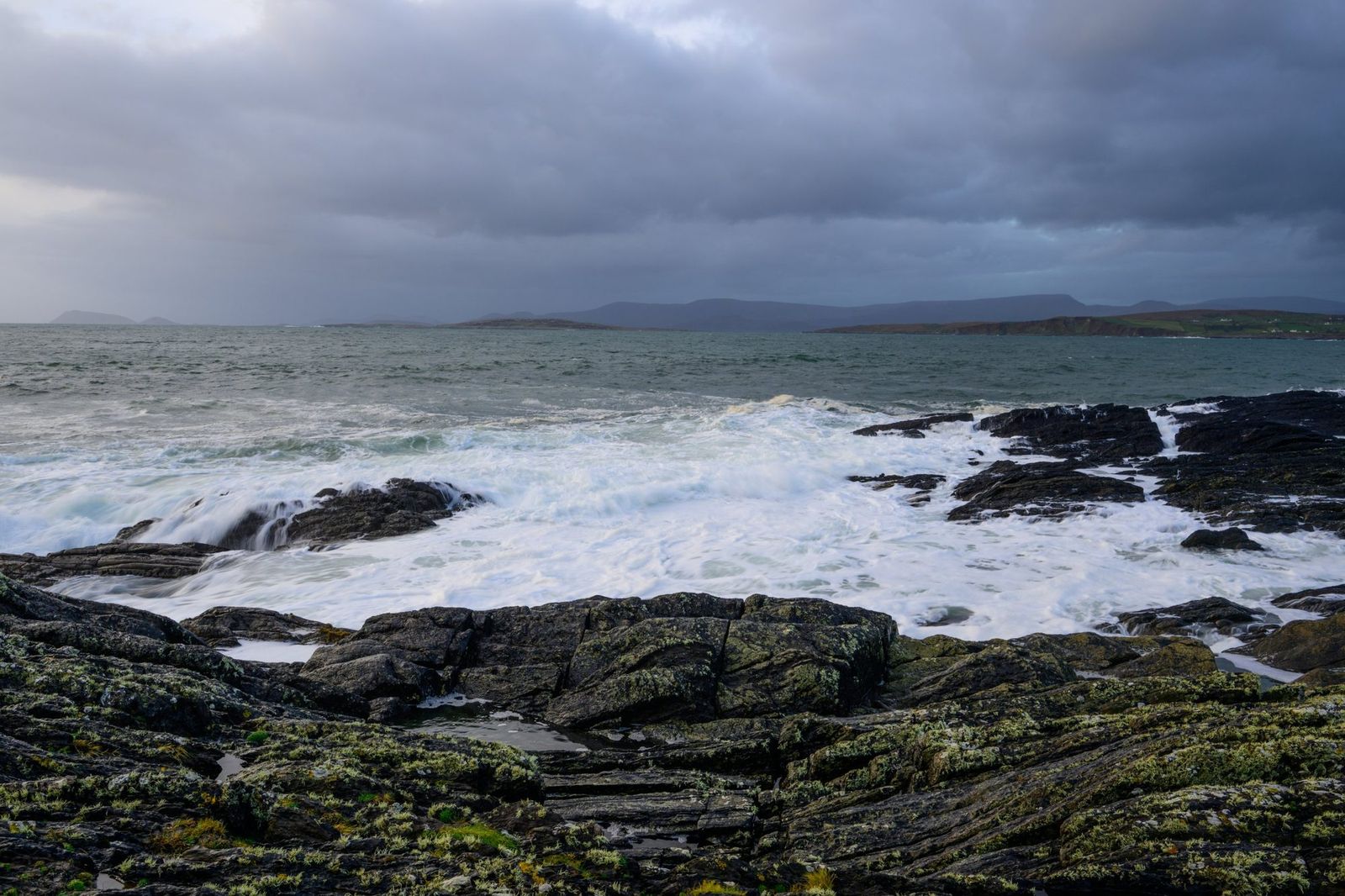
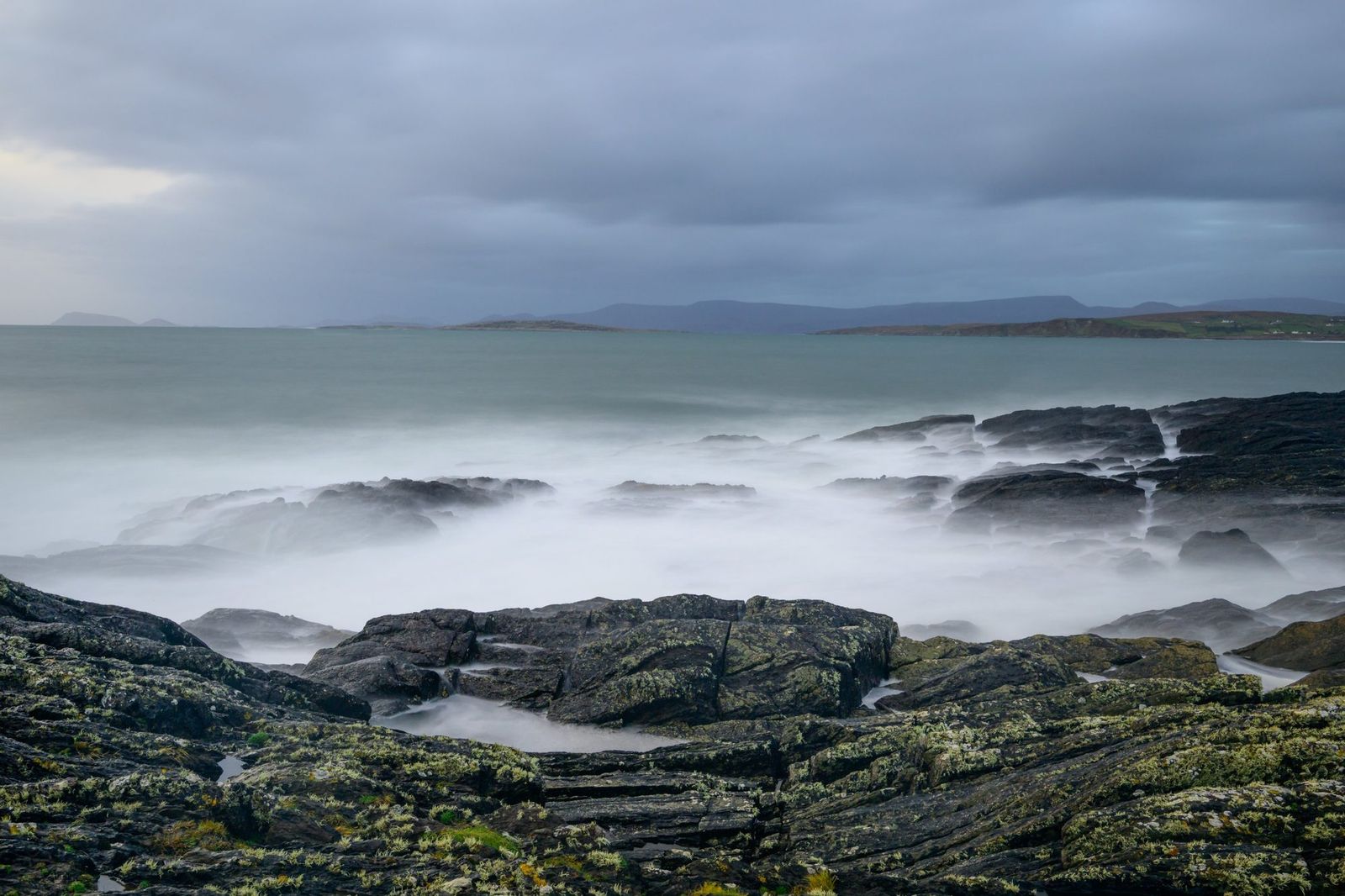
This is where a ten-stop really earns its place. At 1/13s the breaking waves are sharp and choppy. At 30 seconds they turn into a soft mist around the rocks and the sky smooths out. These were shot later in the evening, just after the sun went down. The filtered shot has a slightly bluer tone, but that’s the light changing between frames as dusk set in, not the filter. The edit is identical on both.
Glow Mist 1/8
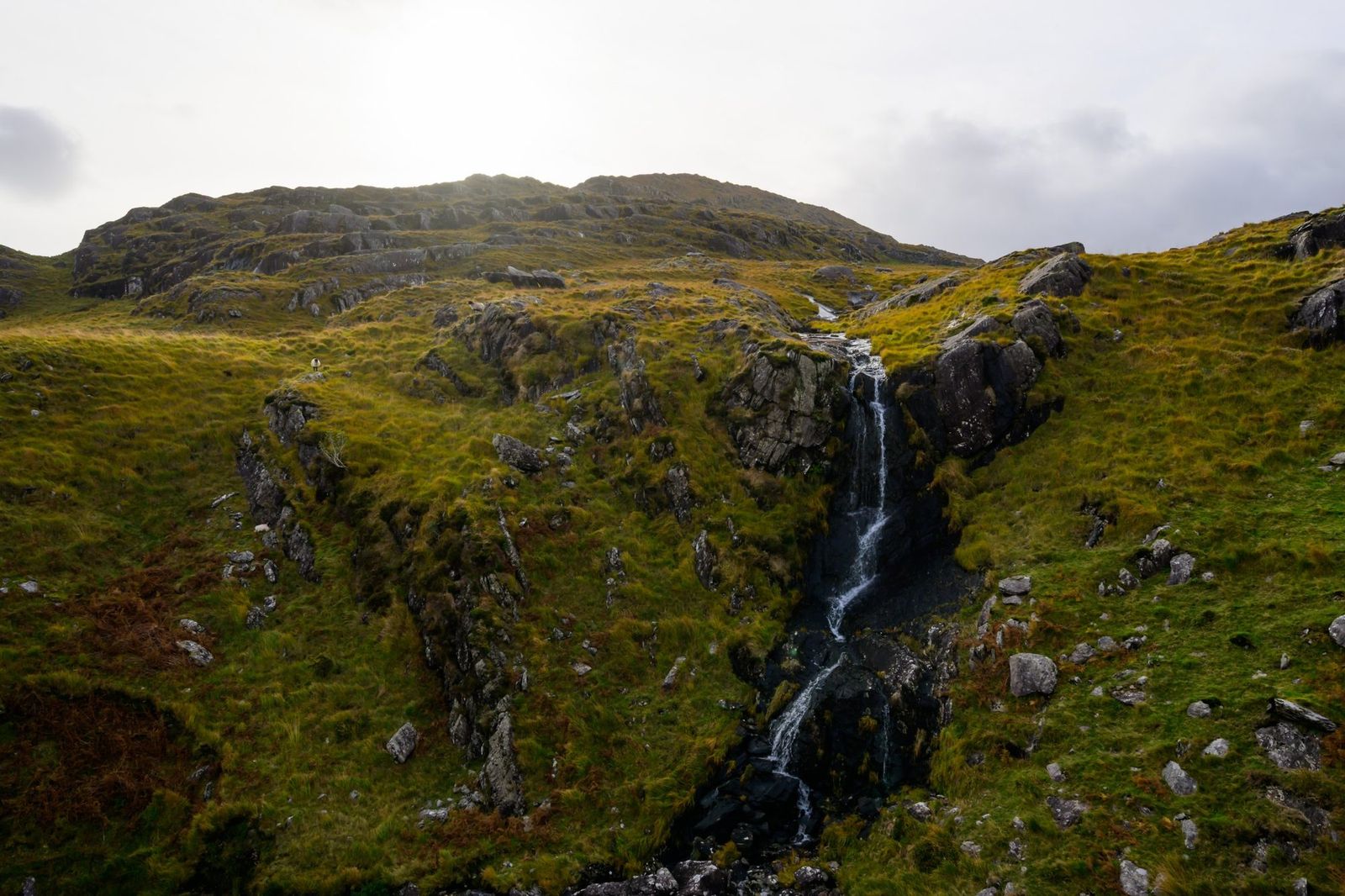
This is the one I really wanted to stop and talk about. A mist filter adds halation to the highlights and gently softens the image. Look at the top of the mountain and you can see the light starting to bleed across the ridge. It’s a bit like an Orton effect, but it’s done in camera with real light. The only edits here were lifting the shadows, a small exposure boost and pulling down the highlights.
No complaints from me on real-world results, which is all that matters.
Pros and Cons
What I like
- The twist lock means filters can’t be knocked off
- Very slim filters keep vignetting down when stacking on wide lenses
- Tiny and light — ideal for travel and hiking
- One kit covers every lens with cheap extra base rings
- Far less fiddly than a square system if you’re new to filters
- Front cap with a built-in grey card is a clever touch
What could be better
- No graduated filters, so it won’t replace a square system for balancing skies
- Swapping one ND for another mid-shoot is slower than sliding square filters
- The carry case is larger than the kit needs
Verdict: Who Should Buy It?
If you’re a landscape or travel photographer who wants to carry less, this is a great option. It’s perfect for a lightweight kit or a travel bag. If you’re new to filters, it’s a much easier place to start than a square system.
If you rely on graduated filters every day, keep your square system for that and use this kit when you want to travel light. That’s exactly how I’ll be using it.
After a month of use it has earned a place in my bag and definitely in my travel bag. It took me a few days to adjust, but the results speak for themselves.
My rating: 4.6 out of 5. Highly Recommended.
Price and Where to Buy
The Freewell × Dunna 82mm Photography Kit is $299.99 on Freewell’s website at the time of writing, down from $350. It’s also available in 67mm, 72mm, 77mm, 86mm and 95mm.
See the 82mm kit on Freewell’s website
This is an affiliate link. If you buy through it I may earn a small commission at no extra cost to you. Freewell has no say in what I write.
If you’re weighing this up against a square system, my Formatt Hitech Firecrest 100mm holder review and Firecrest Ultra filter review cover the other side. For a variable ND option, see my NiSi ND-Vario review. New to long exposures? Start with my guide to long exposure photography explained.
Frequently Asked Questions
Can the Freewell × Dunna filters fall off?
Not easily. They attach with magnets and then lock with a short clockwise twist. In four weeks of shooting on the coast I didn’t have one come loose.
How many filters can you stack?
Freewell recommends a maximum of three. The ND64 and ND1000 together give you roughly 16 stops.
Do they fit different lens sizes?
Yes. Each kit comes with one base ring and extra base rings are available from 49mm to 95mm. Buy the kit in your largest thread size.
Can it replace a 100mm square filter system?
For solid NDs, a polariser and travel, yes. For graduated filters, no. I’ll keep using both.
Is it good for beginners?
Very. It’s simpler and quicker to set up than a square system, so it’s a good first filter kit for landscape photographers.
What’s the difference between the photography and videography kits?
The photography kit has an ND64, ND1000, CPL, UV and Glow Mist 1/8 for long exposures and landscapes. The videography kit has lighter NDs (ND4, ND8, ND16 and ND32) and a Glow Mist 1/4 for holding cinematic shutter speeds.
Freewell × Dunna 82mm Photography Kit

An honest Freewell × Dunna magnetic locking ND filter review from a 100mm square filter user: the 82mm photography kit tested for four weeks on the Irish coast.
Product Brand: Freewell
4.6
Pros
- Magnetic twist lock: no filter came loose in four weeks
- Very slim filters for stacking on wide lenses
- No visible colour cast, even on the ND1000
- Tiny and light, ideal for travel and hiking
- One kit covers every lens with extra base rings
Cons
- No graduated filters in the system
- Swapping NDs mid-shoot is slower than sliding square filters
- The carry case is bigger than the kit needs