Nikon Z5II Review — The Camera That Embarrasses Its Price Tag
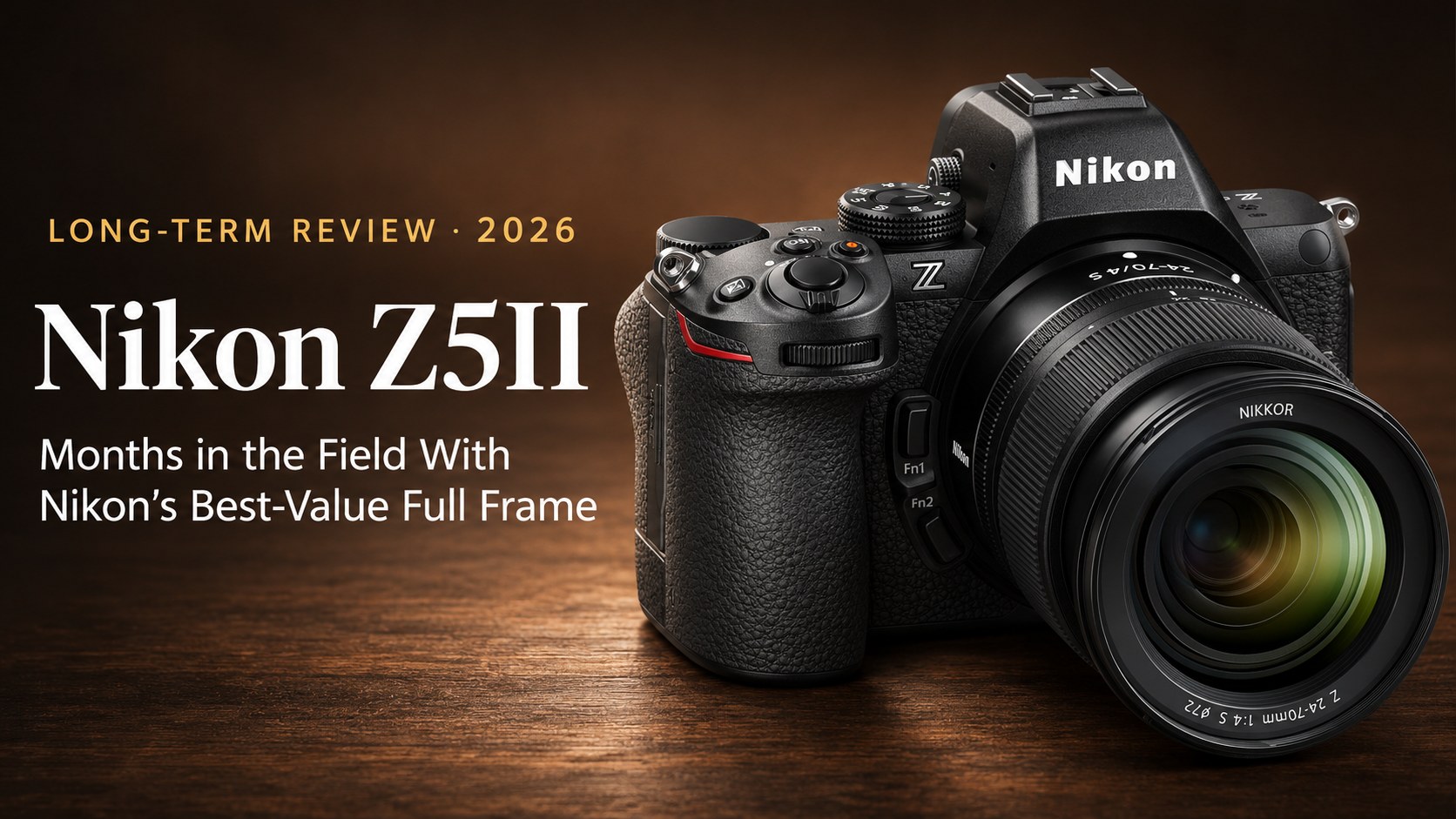
Nikon Z5II Long-Term Review

Nikon Z5II Review — Still Worth Buying in 2026?
Welcome to my Nikon Z5II review. I want to be upfront about one thing before we go any further: I bought this camera with my own money. Nikon didn’t send it to me, didn’t pay me and hasn’t seen a word of this before you have. After 7 months of using it on real-world shoots, mostly in proper Irish weather, I can tell you exactly what it does well, where it falls short and who should actually buy one.
Nikon calls the Z5 II an entry-level full-frame camera. I think that label is doing it a real disservice. When you look at what’s inside it — and more importantly, what it delivers in the field — “entry-level” is the wrong way to describe it. This is a camera that punches well above its price and at times it made my far more expensive bodies feel a little bit embarrassed.
It’s not perfect and I’ll talk you through the flaws that have genuinely annoyed me over the past 7 months. But for most photographers, this is one of the best-value cameras Nikon has ever made. So let’s get into it.
Nikon Z5II Review — The Quick Verdict
The bottom line: After several months of real-world use, the Z5II has earned its place in my bag as a light travel body and a backup on paid shoots. It pairs a 24MP full-frame sensor with the same EXPEED 7 processor and autofocus brain as the Z8 and Z9, adds 7.5 stops of stabilisation, dual UHS-II card slots and a weather-sealed body — at a price that makes very little sense for what you get.
- EXPEED 7 processor and Z8/Z9-level subject detection autofocus
- 7.5 stops of in-body stabilisation — more than the Z8 and Z9
- Clean, detailed files with lovely colour and around 11.3 stops of dynamic range
- Usable images at very high ISO
- Weather-sealed magnesium alloy body that has handled Irish rain
- Dual UHS-II SD card slots — cheap, easy-to-find cards
- Remarkable value for money
- Noticeable rolling shutter with the electronic shutter
- 4K60 video comes with a 1.5x crop
- 60Hz viewfinder refresh feels dated next to 120Hz bodies
- Grip gets uncomfortable after an hour or two of handheld shooting (it needs more height) but an L bracket helps here.
Want my full field setup for this camera? Every menu setting, button customisation and fix I use is in my Nikon Z5II app — offline and in your pocket.
This review is part of my complete Nikon Z camera review guide — where you’ll find every camera body review, lens review, head-to-head comparison and accessories guide in one place. So turbo boost your photography today and check it out.
Table of Contents - Nikon Z5II review
Watch my full Nikon Z5II review video.
What’s Inside the Nikon Z5II (and Why It Matters)
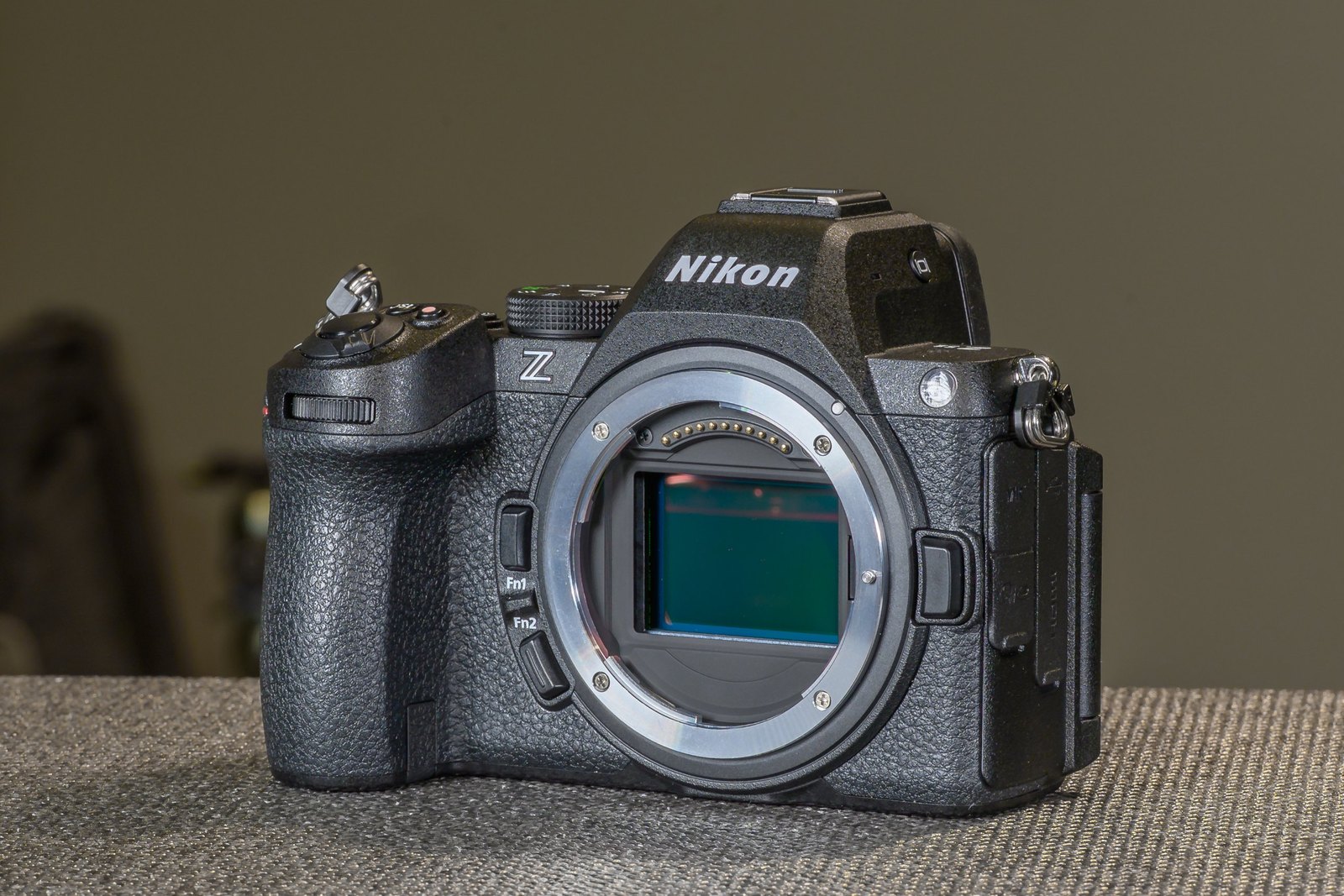
The reason the Z5II surprised so many people, me included, comes down to the pairing of two parts. The sensor is a 24MP full-frame chip — the same resolution class you’ll find in the Zf and Z6II, both very well-regarded cameras. On its own, that’s solid but not headline-grabbing.
The headline is the processor. Nikon put the EXPEED 7 in this camera — the very same processor that drives the Z8 and the flagship Z9. This is the bit that the Z6II was missing and it changes everything about how the camera behaves. It’s the brain that powers the autofocus, the subject detection, the buffer and the overall responsiveness. Putting a flagship processor into a camera at this price is not something Nikon has done before and you feel it every time you pick it up.
Here are the key specifications that matter for real-world shooting:
| Specification | Nikon Z5II |
|---|---|
| Sensor | 24MP full-frame |
| Processor | EXPEED 7 (same as Z8 and Z9) |
| In-body stabilisation | Up to 7.5 stops |
| Autofocus | Subject detection for people, animals and birds; works down to −10 EV |
| Burst (mechanical shutter) | Up to 14fps; 11fps in 14-bit RAW |
| Burst (electronic, JPEG) | 30fps with pre-release capture |
| Video | 4K30 full width; 4K60 with 1.5x crop |
| Card slots | Dual SD UHS-II |
| Viewfinder refresh | 60Hz |
| Body | Weather-sealed magnesium alloy |
Where the Z5II sits in the Nikon range
In Nikon’s line-up, the Z5II sits below the Z6III, which sits below the Z8 and Z9. On paper that makes it the starter full-frame body. In practice, the gap between the Z5II and the Z6III is much narrower than the price difference suggests and for stills photography in particular it’s closer still. If you want to see how they all stack up side by side, I’ve put together a detailed Nikon Z5II vs Z7II vs Z6III vs Z8 comparison.
Build quality
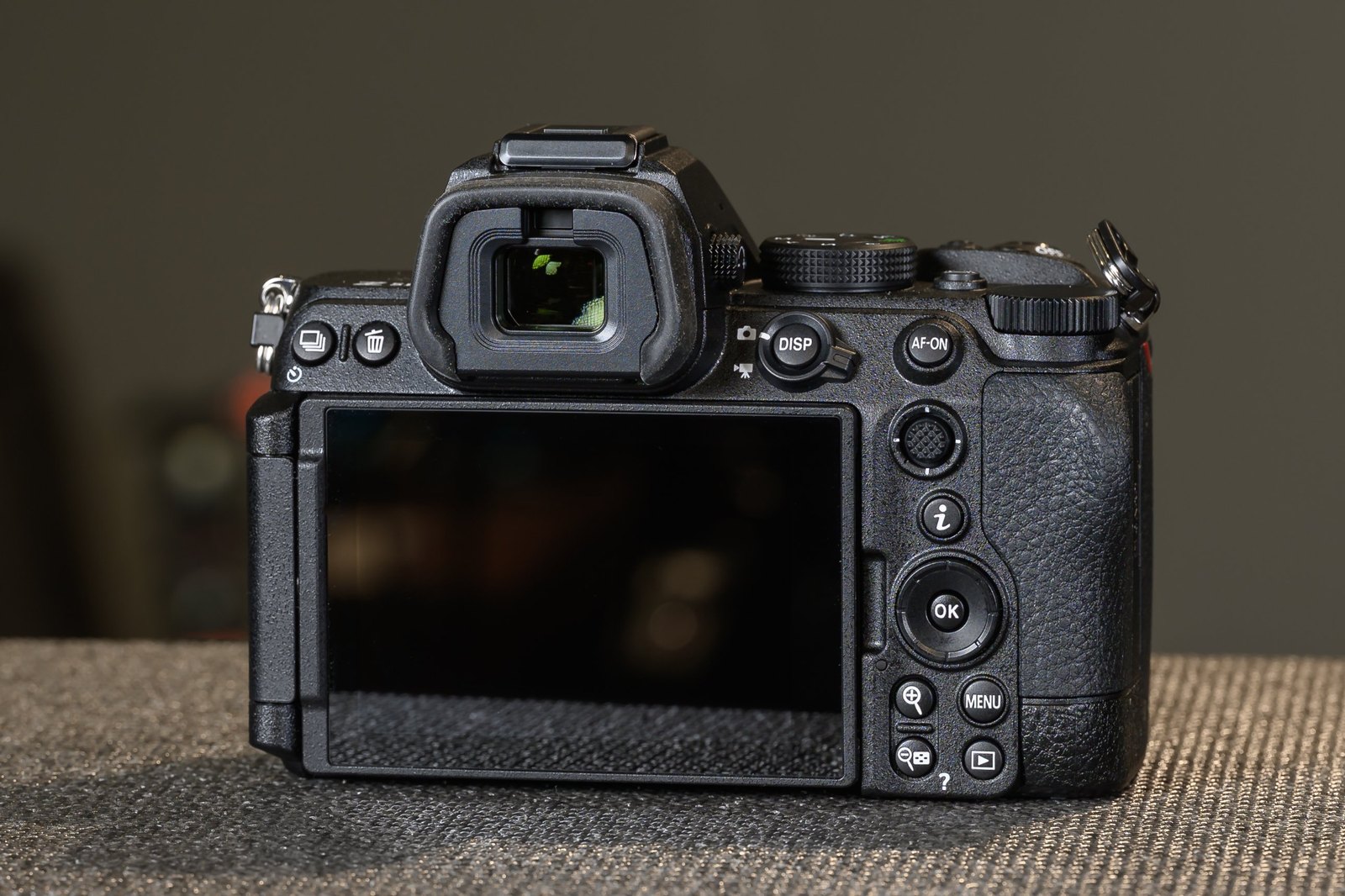
The body is magnesium alloy and weather-sealed and that matters a lot where I work. West Cork weather can change three times in an hour and I’ve had this camera out in drizzle, sea spray and properly wet days on the coast. It has never missed a beat. It feels solid and dense in the hand rather than plasticky, which you don’t always get at this level.
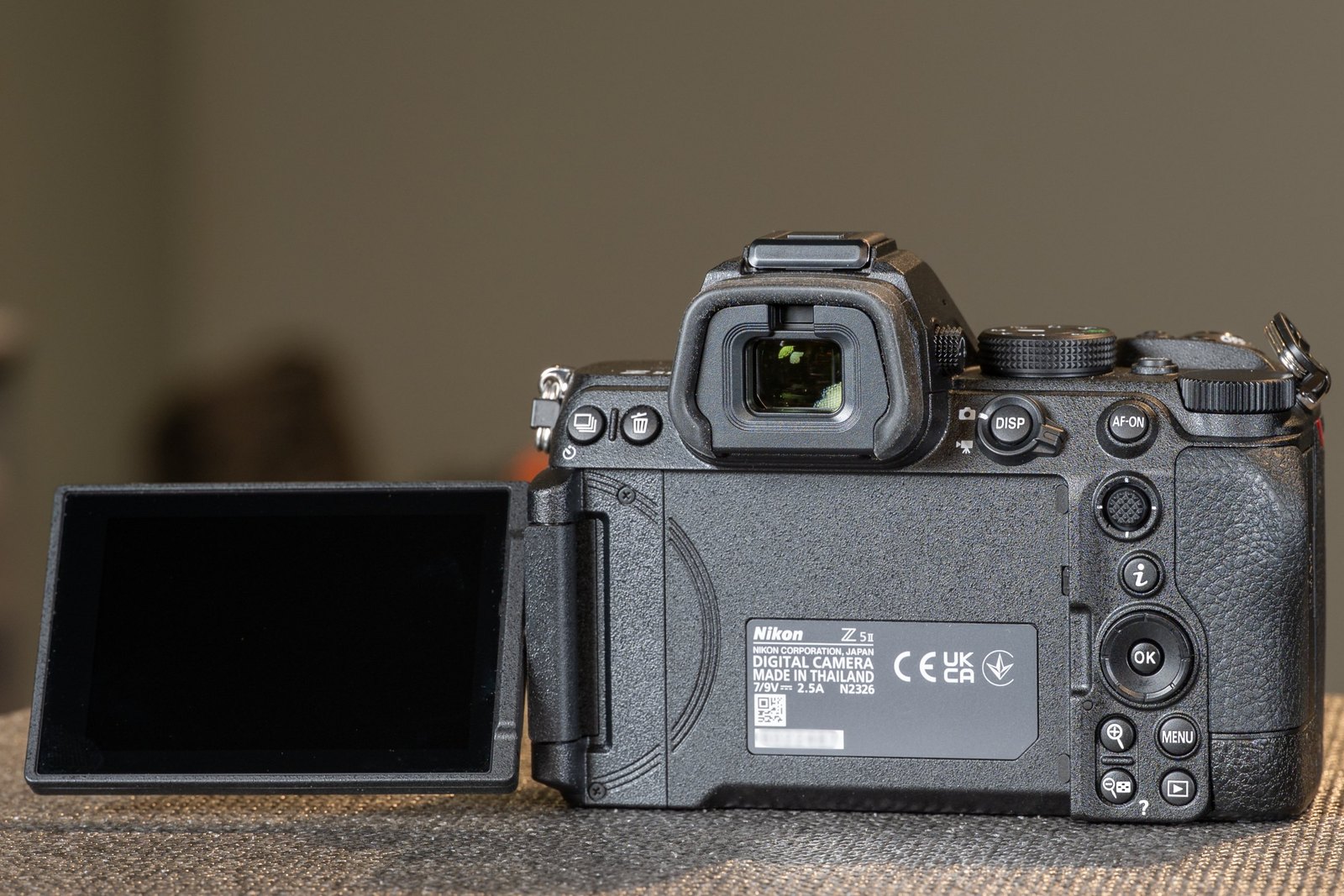
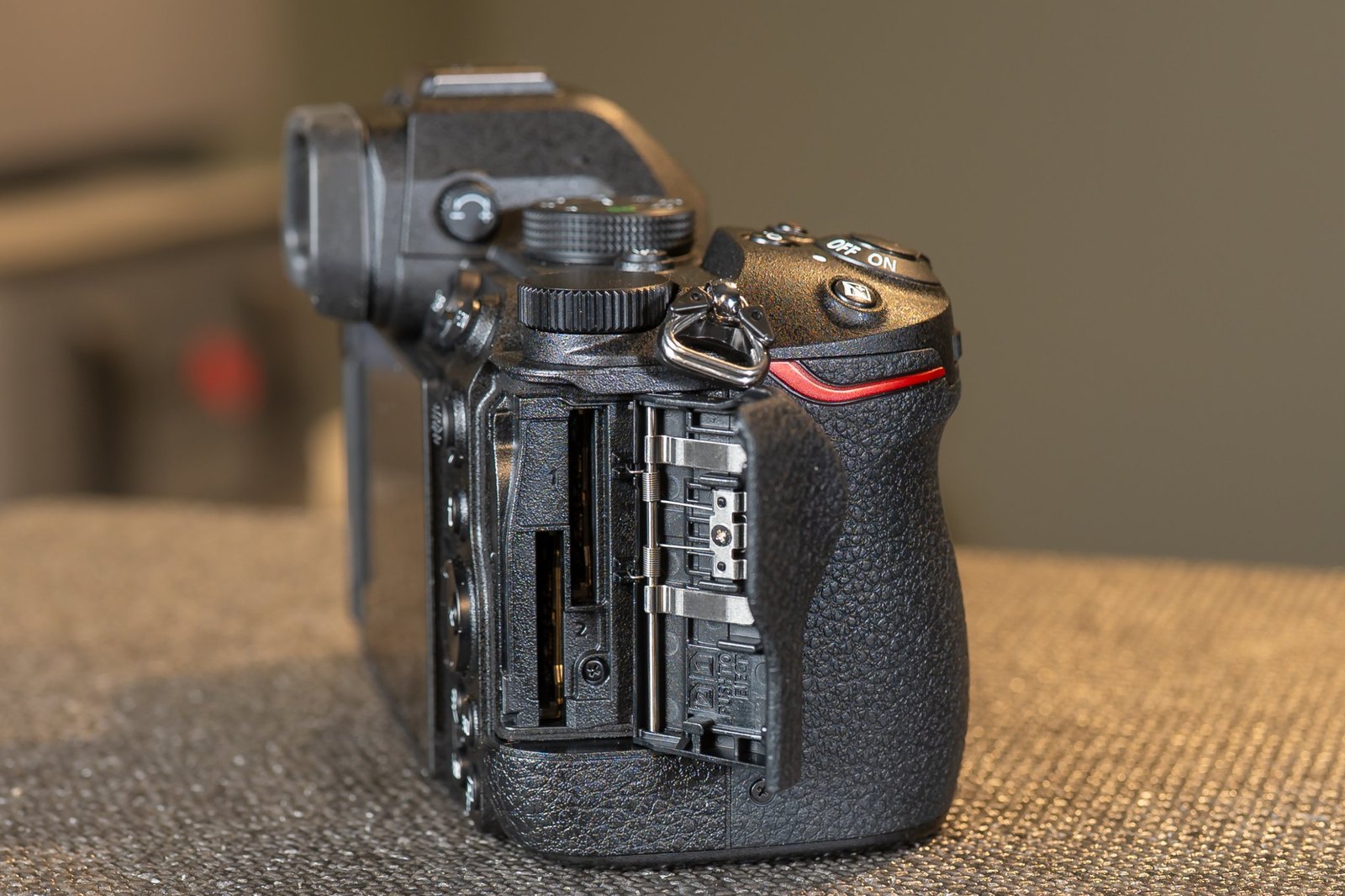
Nikon also stuck with dual SD UHS-II card slots rather than CFexpress. Some people see that as a downgrade, but I actually think it’s the right call for this camera. SD cards are cheap, you can buy them anywhere and two slots means you can record to both at once for backup — essential if you’re shooting anything you can’t repeat, like a wedding or an event.
Nikon Z5II Review: Image Quality — Far Better Than the Price Suggests
Let’s talk about the most important thing: the files. The Z5II produces images that are detailed, sharp and full of lovely, vibrant colour straight out of the camera. Nikon’s colour science has always been one of its strengths and this camera is no exception. Skin tones look natural, greens in the Irish landscape look like greens rather than neon and the files take editing really well.
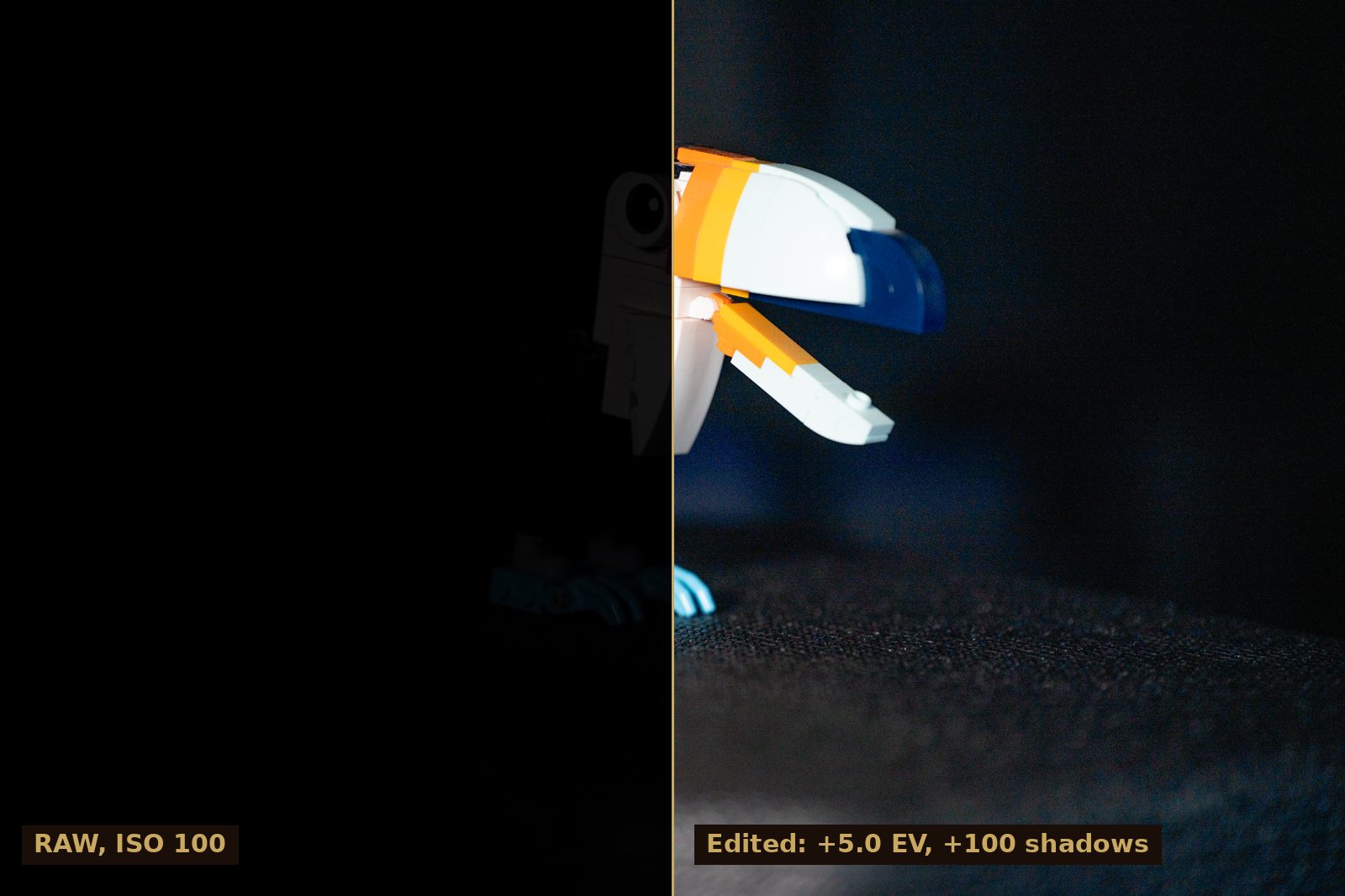
At its base ISO of 100, you’re getting around 11.3 stops of dynamic range. That gives you plenty of room to lift shadows and pull back highlights on those tricky coastal scenes where you’ve got a bright sky and dark rocks in the same frame. It’s not quite the 14 stops I get from the Z8, but in real-world use the difference is far smaller than the numbers suggest and for the price it’s genuinely excellent.
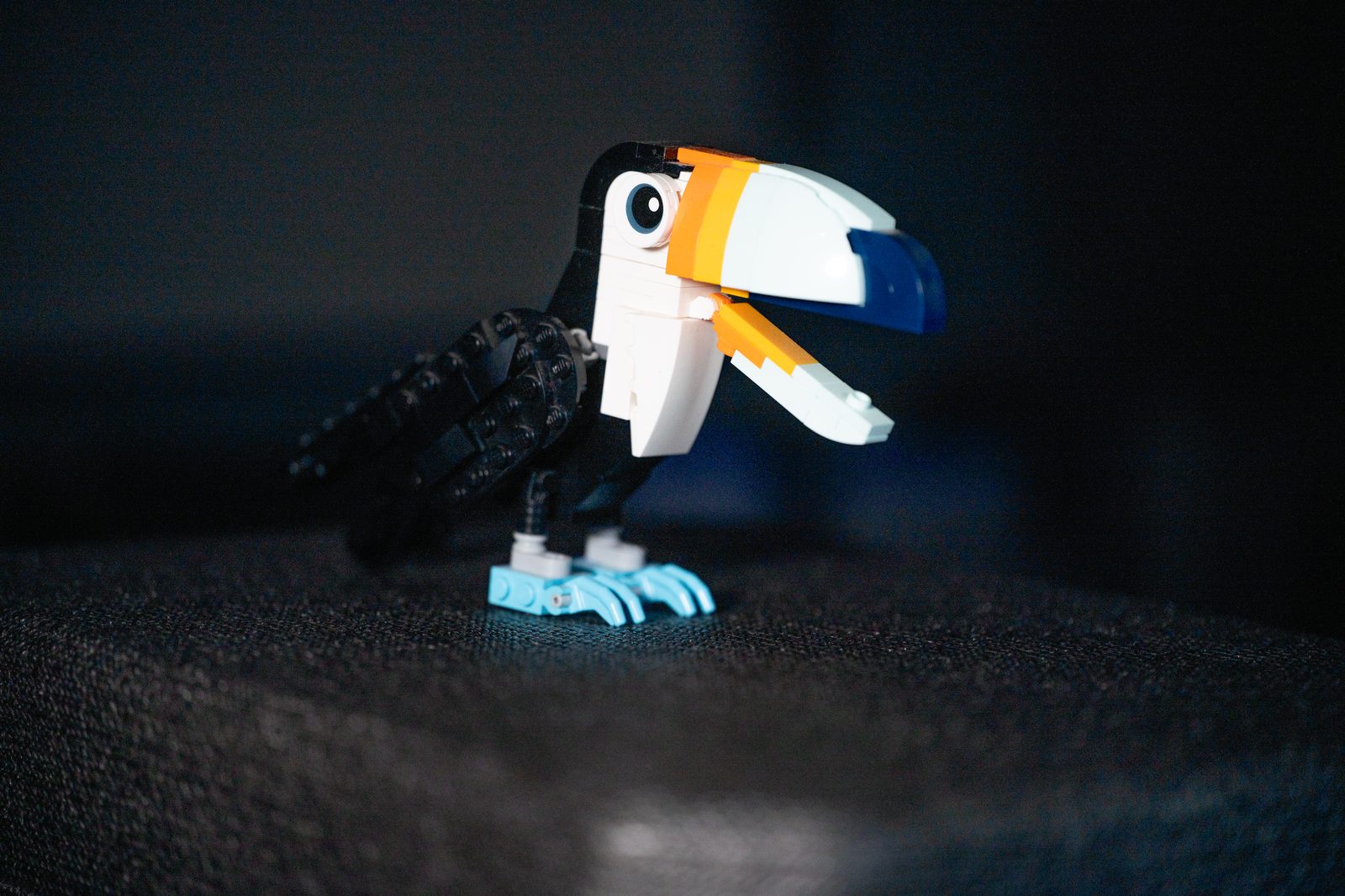
To put that to the test I shot this deliberately dark at ISO 100 — so dark it’s almost black. In Lightroom I pushed the exposure up +5.0 stops and the shadows slider to +100. The colour came back cleanly and you can still see the texture in the fabric underneath. That’s a far bigger push than you’d ever need on a real shoot, which is exactly why it’s reassuring.

High ISO performance
This is where the Z5II really surprised me. I’m comfortable using it at ISO levels that I simply wouldn’t have considered on older bodies. I’ve seen it produce usable images up at ISO 64,000 and plenty of people are happily pushing it even further, to ISO 128,000. Now, we all have different tolerances for noise, so test it yourself and find your own limit — but with modern noise reduction software you can clean up high ISO files in seconds and get results that would have been impossible a few years ago.
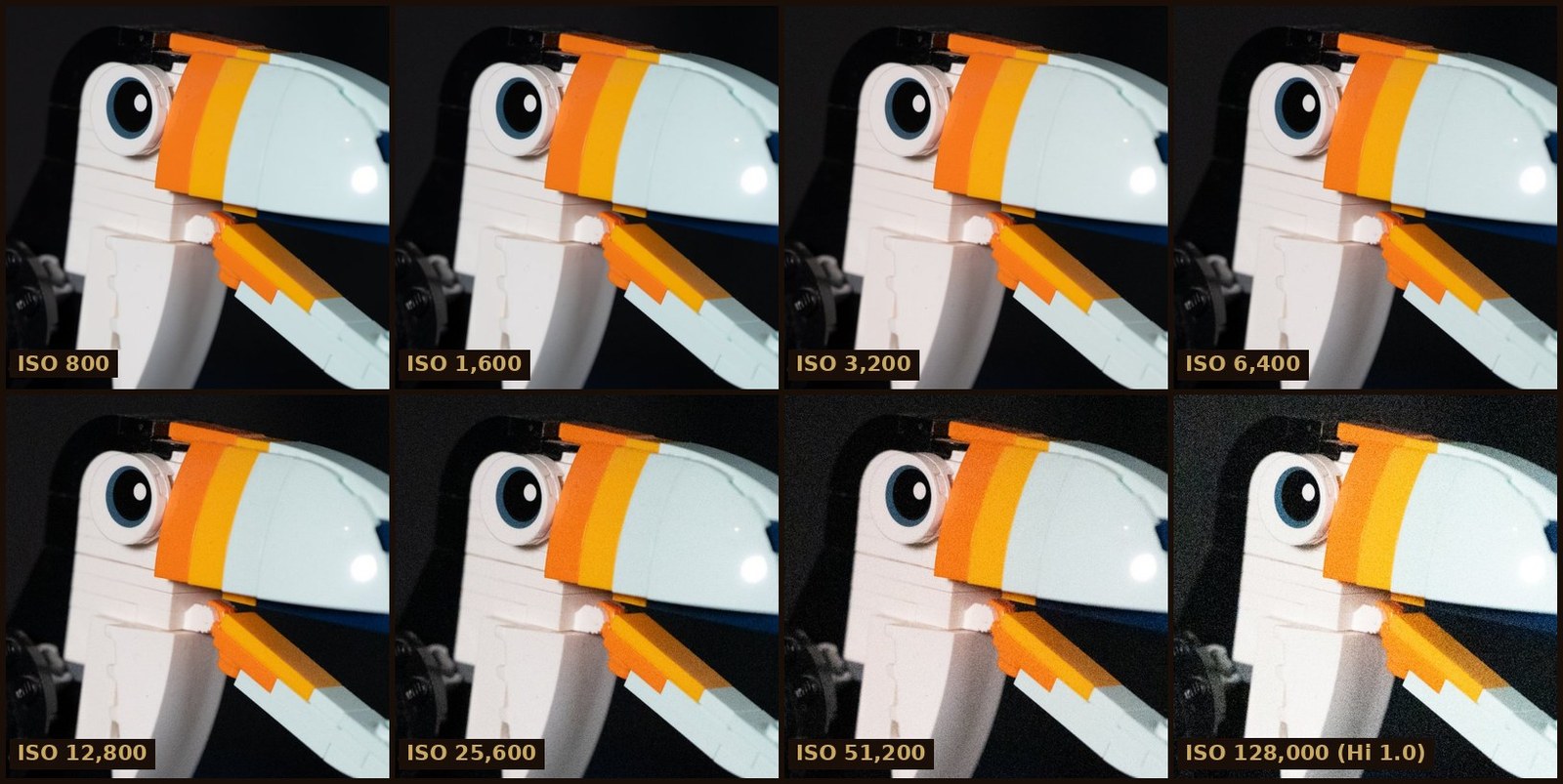
Click any ISO below to see a full 100% crop — unedited, straight from the full-resolution file.
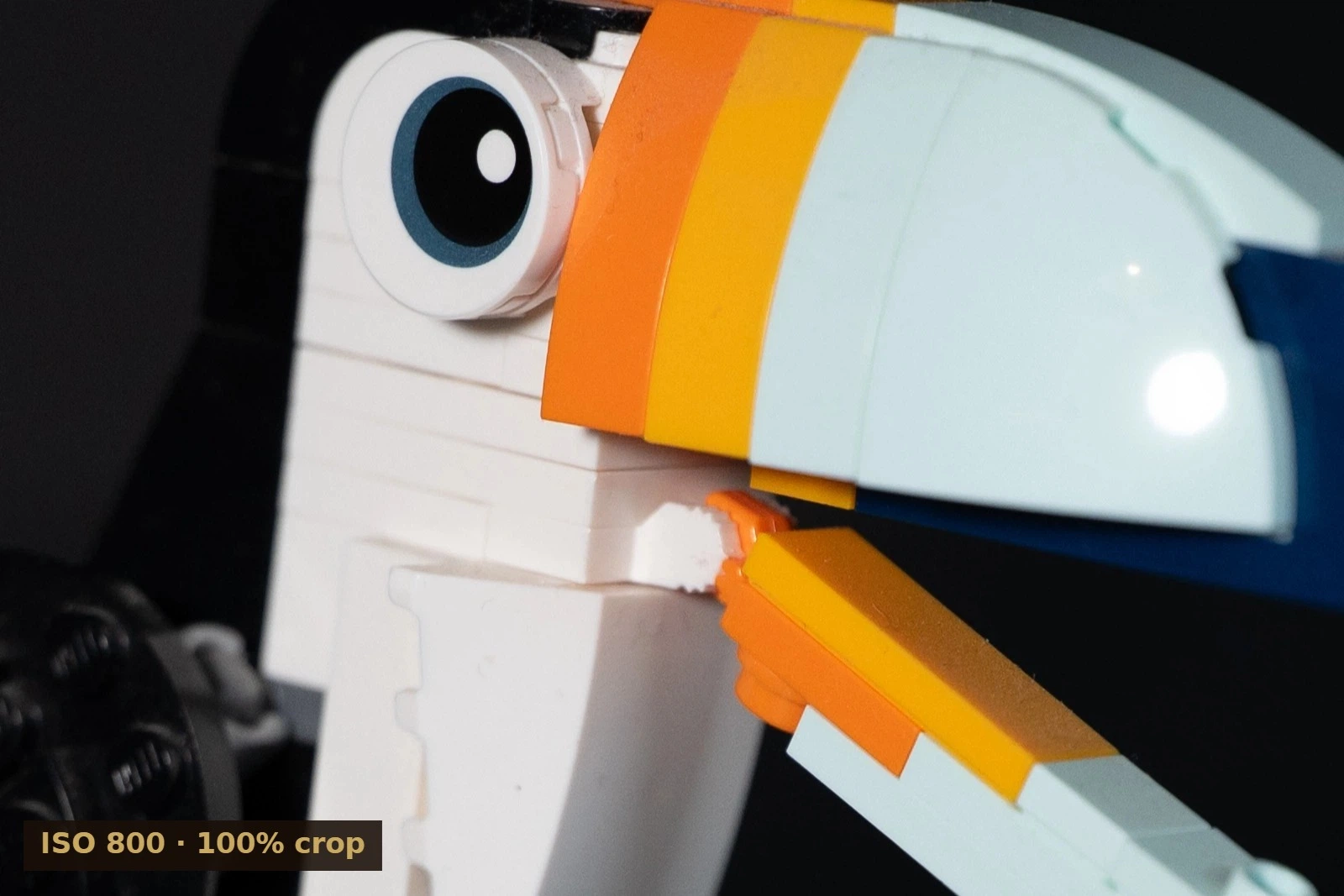
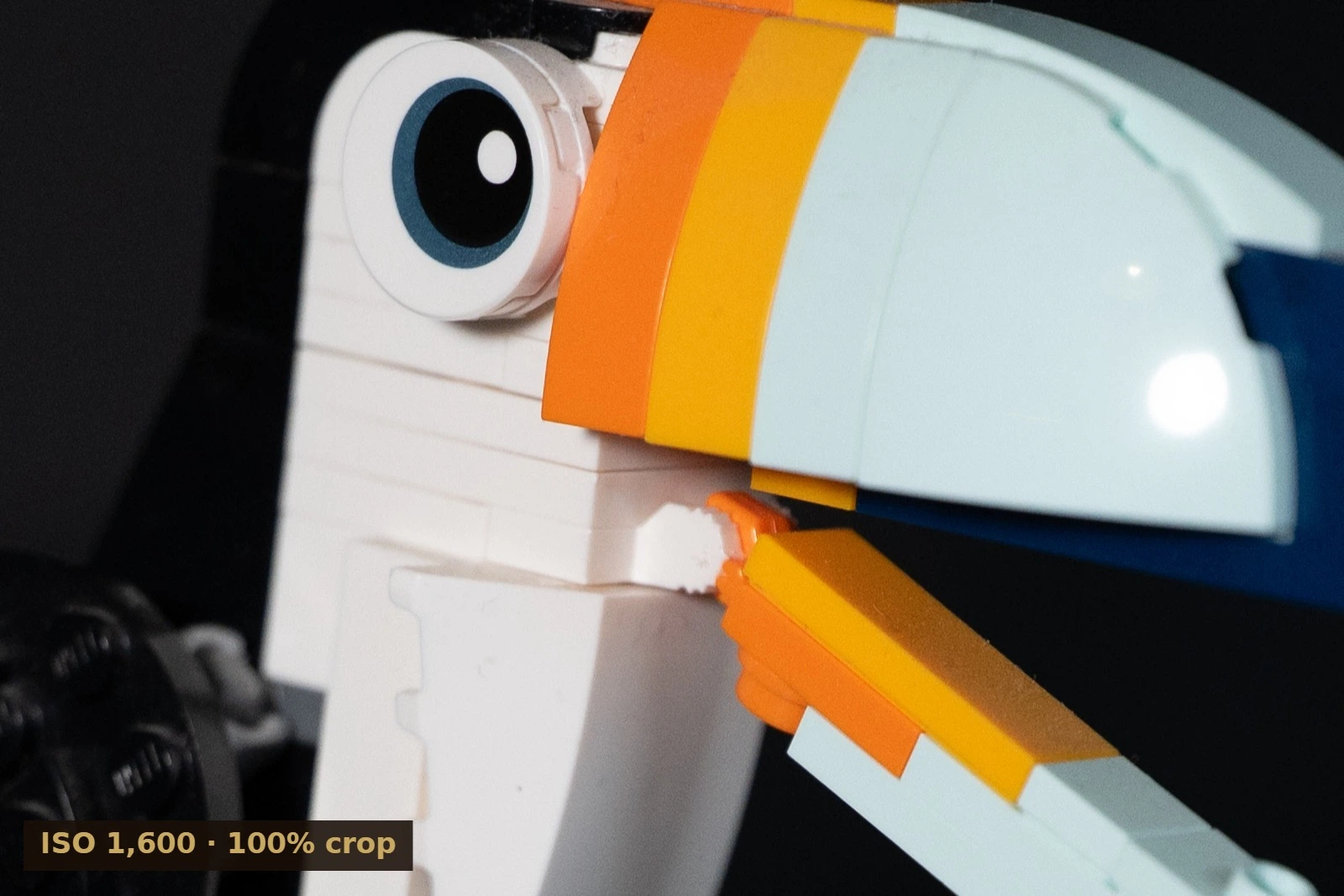
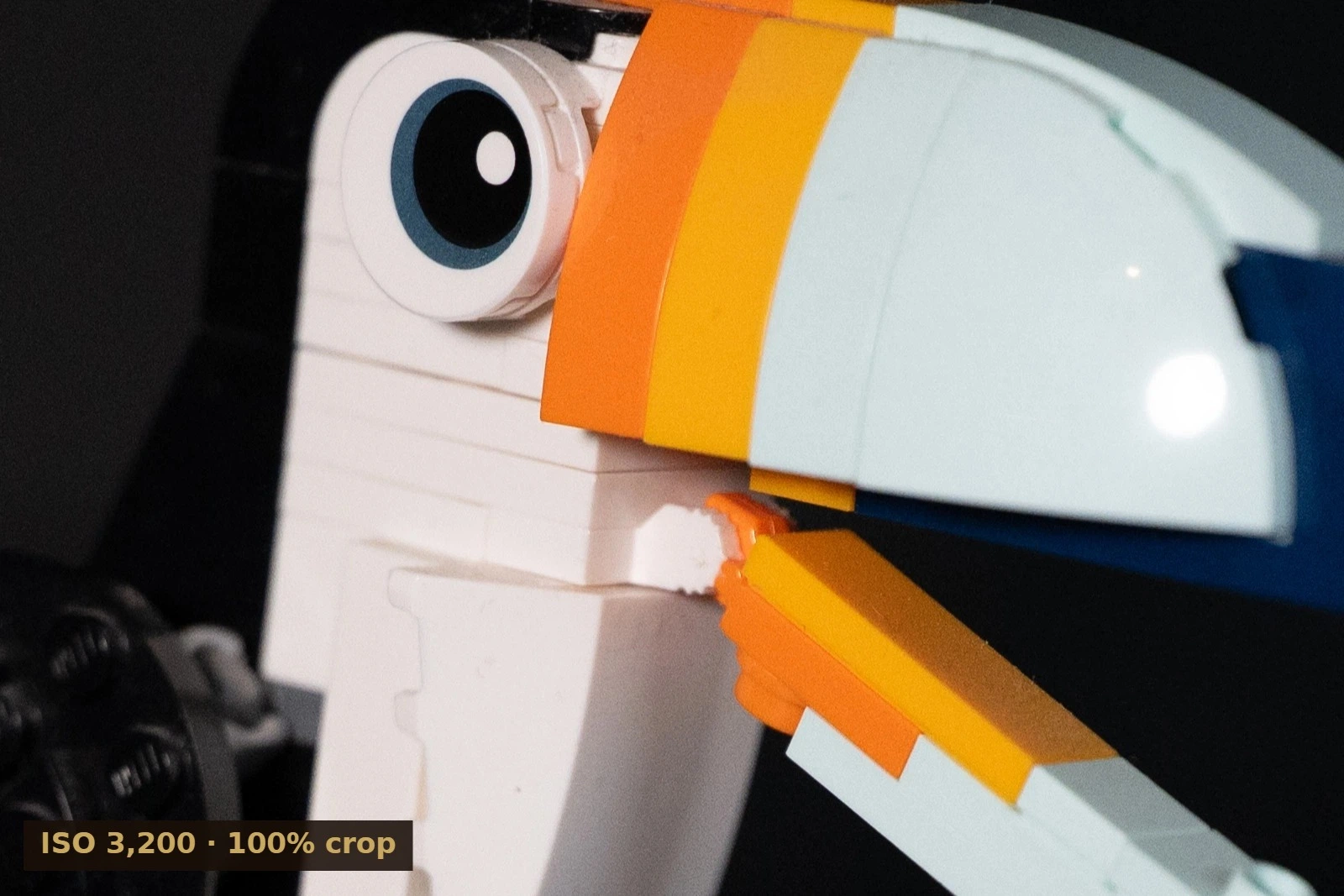
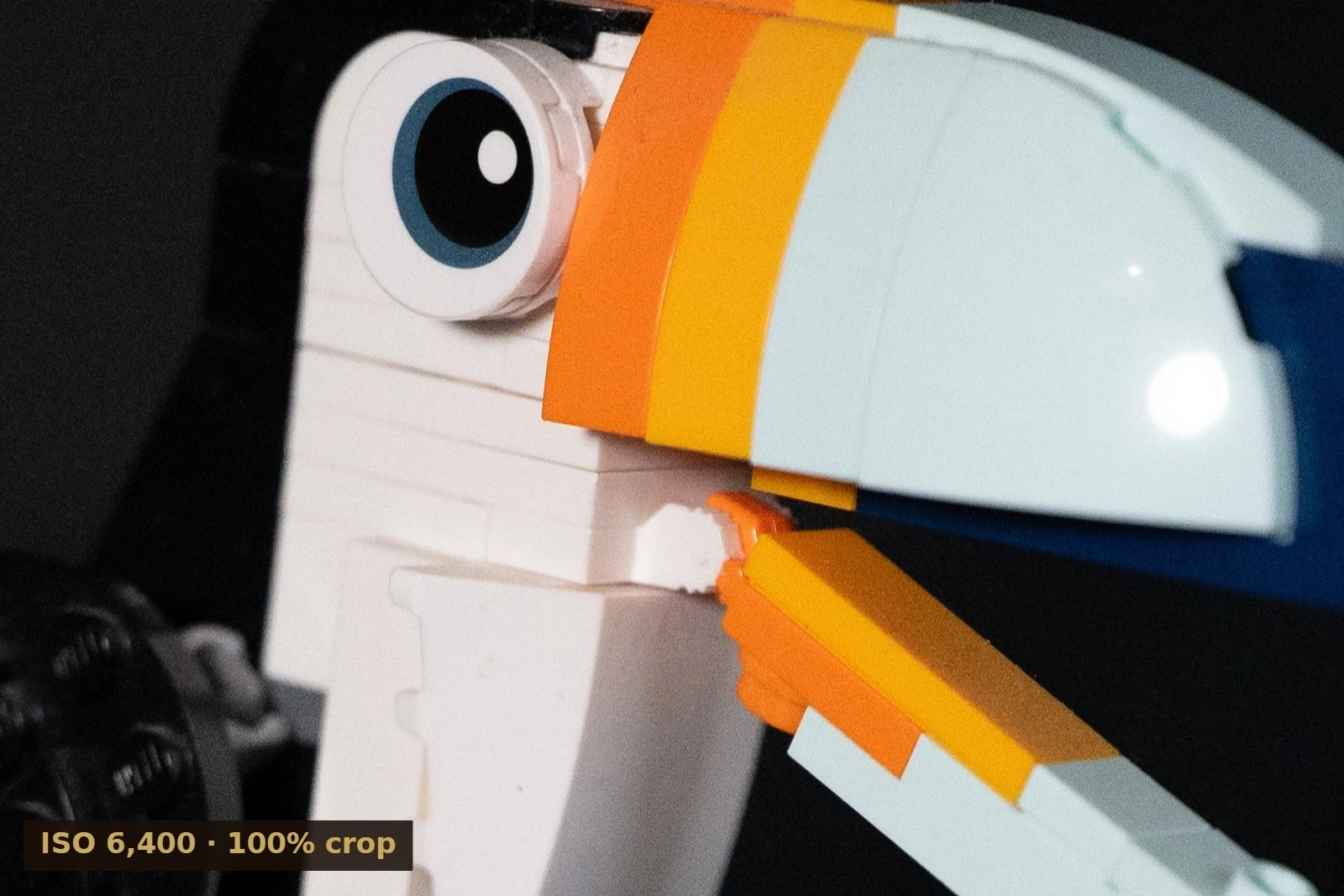
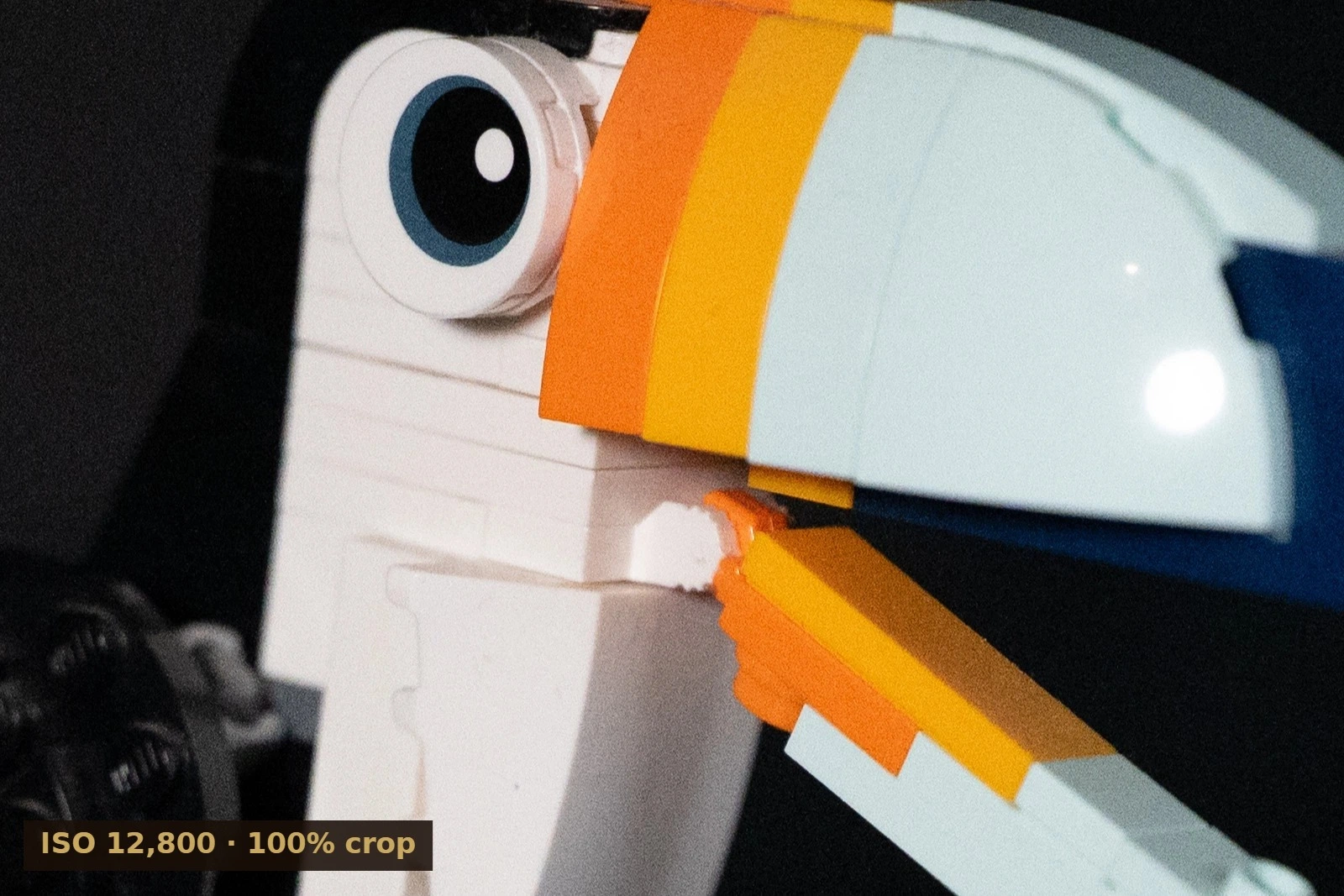
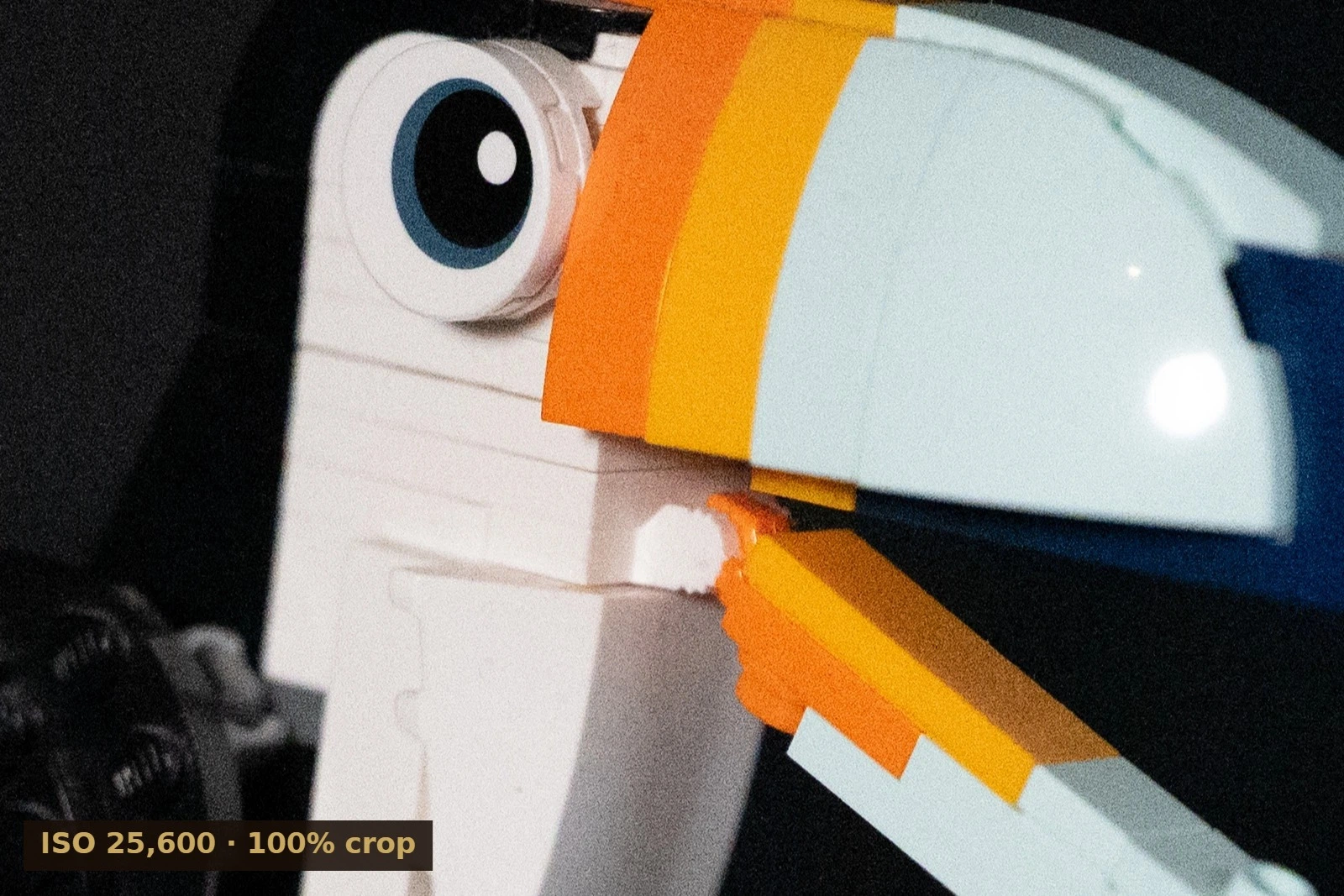


For a camera at this price, the sensor performance is honestly excellent. If image quality for stills is your main priority, you’re not giving up much at all by choosing the Z5II over its more expensive siblings.
Image Stabilisation — It Beats the Z8
Here’s something that genuinely surprised a lot of people. The Z5II has up to 7.5 stops of in-body image stabilisation. The Z8 has 5.5 stops. So on paper and in my experience in practice, this so-called entry-level camera out-stabilises both the Z8 and the flagship Z9.
That makes a real difference in a few situations. If you’re shooting wildlife with a long lens handheld, events and weddings in dim churches and hotels, or landscapes in low light when you’ve left the tripod in the car, you’ll get sharp shots at shutter speeds that would normally be a gamble. I’ve hand-held shots on this camera at speeds I wouldn’t dream of trying on older bodies.
Nikon Z5II Review: Autofocus Performance
Because it shares the EXPEED 7 processor with the Z8 and Z9, the Z5II also shares their autofocus brain. You get subject detection for people, animals and birds and in practice it’s sticky, quick and accurate. It also works right down to −10 EV, which means it’ll lock on in conditions where you can barely see what you’re shooting yourself — useful at dawn, dusk and in dark venues.
Is it as good as the Z8 or Z9? Not quite. Those cameras have an edge because of their much faster sensor readout, which helps the autofocus system track fast-moving subjects even more reliably. But the gap is surprisingly small. For portraits, events, travel, landscapes and most wildlife, you’d struggle to tell the difference in your keeper rate.
Burst Shooting
With the mechanical shutter, the Z5II will shoot up to 14 frames per second, or 11fps if you want full 14-bit RAW files. Switch to the electronic shutter and JPEG and you get up to 30fps with pre-release capture, which records frames from just before you fully press the shutter button — handy for unpredictable moments like birds taking off.
The catch is that the sensor isn’t stacked, so the electronic shutter shows rolling shutter on fast-moving subjects — more on that in the flaws section. In practice, 11fps on the mechanical shutter is what most people will use day to day and it’s more than enough for the vast majority of what you’ll shoot.
Can You Use the Nikon Z5II Professionally?
Yes, easily. I’ve used it on paid work and it has delivered every time. That said, I think it’s best suited as a backup body for professionals rather than the main camera for demanding, fast-paced jobs. If you’re a working photographer looking for a second body that won’t let you down, it’s a real steal. If you’re just starting to take paid work, it’s more than capable of being your main camera.
7 Months in the Field — How the Z5II Has Worked for Me
I didn’t buy the Z5II to replace anything. I bought it as a small, light travel body — something I could throw in a bag for a day out without lugging the weight of the Z8, but still get files I’d be happy to deliver to a client. On that front, it’s been exactly what I hoped for and more.
Over 7 months it’s come with me on landscape shoots along the Wild Atlantic Way, on workshop days, on travel and as a second body on paid work. It’s been rained on, salted by sea spray and bounced around in the back of the car and it has never given me a single reliability problem. No freezes, no card errors, no weather issues. For a camera I paid for out of my own pocket, that’s exactly what I want.
What struck me most early on was how little I felt I was compromising. Picking it up after the Z8, I expected to notice the step down straight away. In terms of image quality and autofocus for the kind of work I do, I mostly didn’t. Where I did notice it was in the handling.
Long-term comfort
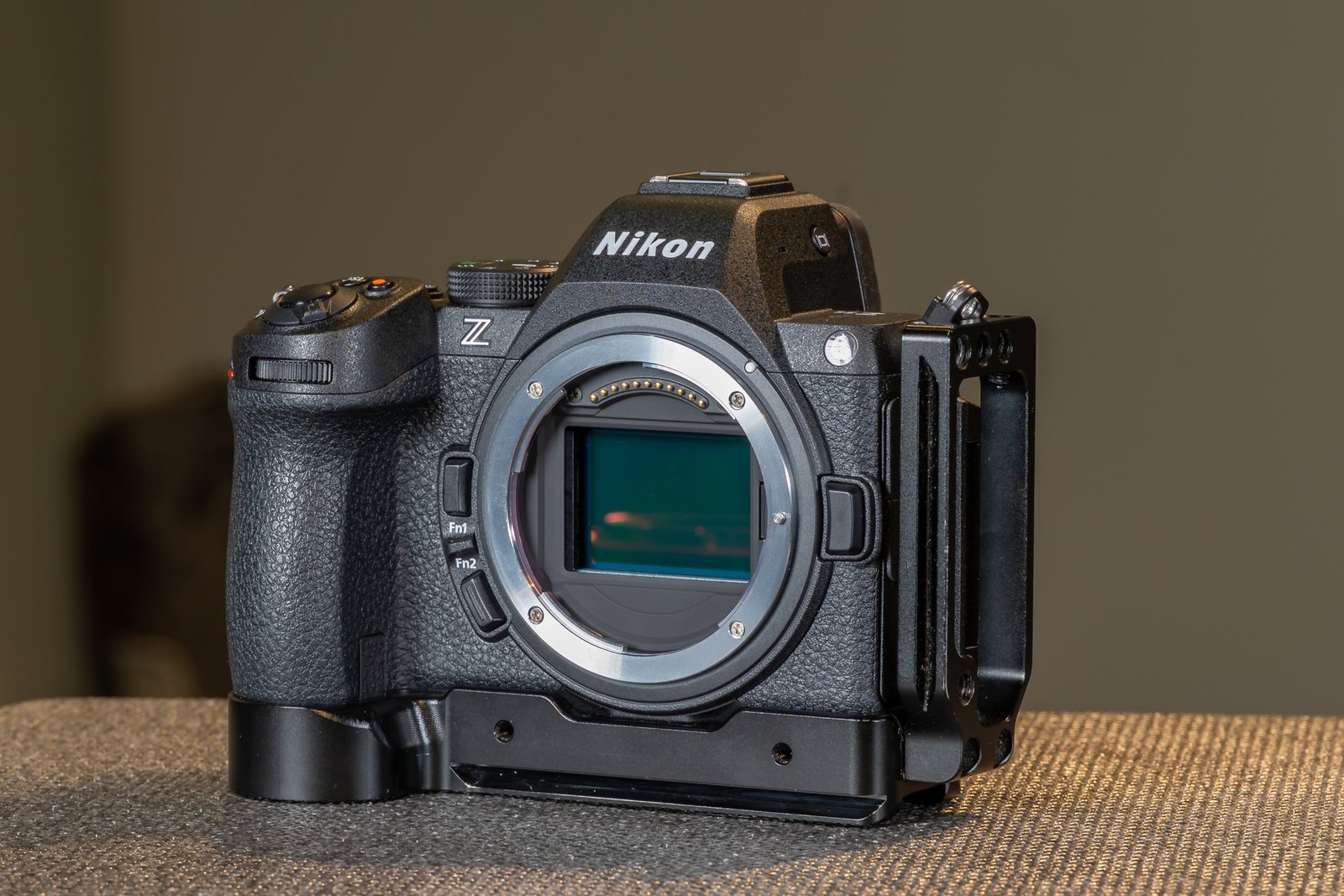
This is the one thing that only shows up after months of use rather than in a quick test. The Z5II’s body is quite small and after an hour or two of handheld shooting it starts to get a bit uncomfortable in my hand. If you’ve got larger hands, or you’re used to the deeper grip of a Z8 or a D850, you’ll feel this too.
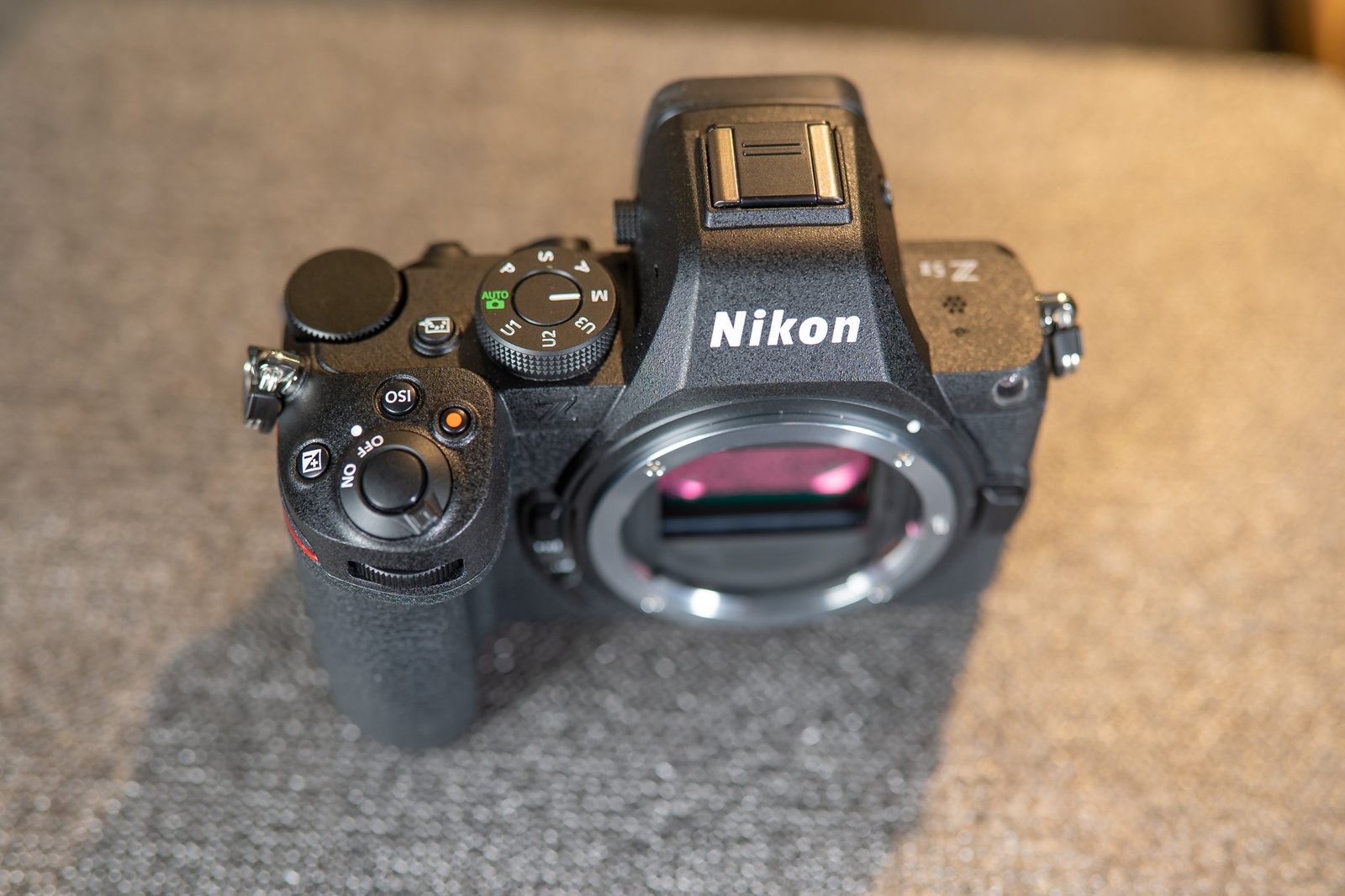
The fix that worked for me was simple: an L-bracket. It adds a little extra to grip onto at the base of the camera, makes it noticeably more comfortable over a long day and of course it means you can switch between landscape and portrait orientation on a tripod in seconds. If you’re buying a Z5II, I’d budget for one from the start.
As a second body beside the Z8
I’ve shot with the Z5II alongside my Z8 on real-world shoots and honestly, it’s almost too good for that role. The files sit happily beside the Z8’s, the colour matches well and the autofocus keeps up for most situations. If you’re a pro wanting a light second body, it’s an easy recommendation.
That said, if you want a second body that handles and performs as close as possible to a Z8 side by side, the Z6III is the better match. Its faster, partially stacked sensor and better viewfinder mean it feels more like the same system when you’re switching between the two in a hurry. I’ve written about it in detail in my Nikon Z6III review.
What about the Z5IIc?
Since the Z5IIc has come out, a few people have asked whether I regret buying the Z5II. Not at all. For me, there’s no question I’d pick the Z5II every time, because the C doesn’t have a viewfinder. For the way I shoot — especially outdoors in bright light and changeable weather — a viewfinder isn’t optional.
Nikon Z5II Positives — What This Camera Gets Right
A flagship brain at a fraction of the price. The EXPEED 7 processor is the single biggest reason this camera works so well. It gives you autofocus, subject detection and responsiveness that were reserved for the Z8 and Z9 not long ago.
Better stabilisation than the flagships. 7.5 stops of IBIS is more than the Z8 or Z9 offer and it genuinely widens what you can shoot handheld.
Image quality well beyond its class. Detailed files, lovely colour, around 11.3 stops of dynamic range and very usable high ISO performance.
Tough enough for Irish weather. The weather-sealed magnesium body has handled 7 months of rain, wind and sea spray without complaint.
Practical card choice. Dual UHS-II SD slots keep running costs low and let you shoot with instant backup.
Outstanding value. I keep coming back to this. For what it costs, there’s very little that competes.
Nikon Z5II Negatives — What Holds It Back
I’ve always said I’ll tell you about the flaws and the Z5II has a few that are worth knowing before you buy.
Rolling shutter. Because the sensor isn’t stacked, the electronic shutter shows noticeable rolling shutter with fast-moving subjects or quick pans — you’ll see bent lines and warped shapes. The Z6III’s partially stacked sensor is much better here and the Z8 and Z9 are better again. If you shoot fast action on the electronic shutter, this matters. For most people sticking to the mechanical shutter, it won’t.
4K60 comes with a crop. If you want 4K at 60 frames per second, the camera applies a 1.5x crop. Full-width 4K tops out at 30fps. For casual video that’s fine; for serious video work it’s a real limitation.
No third control dial. This is the one that annoys me most day to day. Without a third dial, changing ISO is clumsy compared to Nikon’s more expensive bodies. You can work around it with custom buttons — I show how I’ve set mine up in the Z5II app — but it’s never quite as quick.
60Hz viewfinder. The EVF refreshes at 60Hz rather than the 120Hz you get on pricier bodies. It’s perfectly usable, but if you’re used to a smoother finder, tracking moving subjects feels a little less fluid.
Grip comfort on long days. As I mentioned above, the small body gets uncomfortable after an hour or two. An L-bracket helps a lot.
Nikon Z5II vs Z6III — Which Should You Buy?
This is the question I get asked more than any other, so here’s my straight answer. If you shoot fast action — sport, birds in flight, anything where you’ll lean on the electronic shutter — or you’re serious about video, the Z6III is worth the extra money. Its faster sensor deals with rolling shutter far better and its video specs are a clear step up.
If you mainly shoot stills, though, the Z5II gives you around 90% of the camera for a good deal less. For landscapes, portraits, travel, events and most wildlife, you’d be hard pressed to justify the difference. For a deeper side-by-side, see my Nikon Z5II vs Z7II vs Z6III vs Z8 comparison.
Buying the Z5II mainly for landscapes? I’ve written a separate guide to the best Nikon Z cameras for landscape photography over on my Landscape Photography Ireland site. It covers which body suits which kind of landscape work, from long hikes to big prints.
Who Is the Nikon Z5II For?
First-time full-frame buyers: an easy yes. If you’re moving up from a crop-sensor camera or an older DSLR, this is the camera I’d point you to first. It will grow with you for years.
Professionals wanting a light second body: it’s almost too good for the job and at this price it’s a real steal. If you need your second body to match a Z8 or Z9 as closely as possible, look at the Z6III instead.
Travel and landscape photographers: this is exactly why I bought mine. Small, light, weather-sealed and capable of files I’m happy to put my name to.
Fast-action and serious video shooters: look at the Z6III, or the Z8 if budget allows.
Nikon Z5II Review Conclusion
After 7 months, my conclusion is simple: the Nikon Z5II embarrasses its price tag. It’s underrated, robust, fast and accurate and it gives you a flagship processor, flagship-level autofocus and better stabilisation than the flagships, all in a weather-sealed body that costs a fraction of theirs. Heck, it even makes my Z6III feel a little embarrassed at times.
It’s not flawless. The rolling shutter, the cropped 4K60, the missing third dial and the 60Hz viewfinder are all real compromises and they’re the reason the Z6III and Z8 still exist. But none of them stop this being a superb camera for the vast majority of photographers.
If you’re buying your first full-frame camera, or you want a light, dependable body that you’ll actually take with you, I don’t think you’ll find better value anywhere in Nikon’s range right now.
Get Your Nikon Z5II Today
If you’ve decided the Z5II is the right camera for you, these are the retailers I use and trust. Buying through these links costs you nothing extra but helps support the reviews and videos I make.
Nikon Z5II — Latest Prices
These are affiliate links, so I may earn a small commission if you buy through them, at no extra cost to you. I bought my Z5II myself and this review is entirely my own opinion. Thank you for supporting my reviews, channel and website.
If you’re buying a kit, it’s worth looking at the lens bundles as they often work out cheaper than buying the body and lens separately. And don’t forget an L-bracket and a couple of fast UHS-II SD cards — you’ll want both.
More Nikon Z Reviews & Guides
Want to get the most from your Z5II? My Nikon Z5II app has every menu setting and custom button I use. And if you’d like to learn hands-on, join me on one of my photography workshops in West Cork — bring your Z5II and I’ll help you set it up properly.
For editing the RAW files from this camera I use Lightroom and Luminar Neo — they both handle Nikon Z RAW files beautifully. You can save 10% with my exclusive Luminar Neo discount code.
Kieran Hayes
Kieran is a professional photographer, educator and Nikon Z reviewer based in West Cork, Ireland. Before turning professional in 2013 he spent years as a technician in an authorised service centre for a leading camera brand, so his hands-on knowledge of how cameras work goes back more than 20 years. Today he tests gear where it counts — on paid shoots, on his photography workshops and out on the Wild Atlantic Way — where reliability, performance and durability matter most.
His reviews reflect the practical demands of real working photography and the creative freedom of his own landscape work.
Frequently Asked Questions
Nikon Z5II

Is the Nikon Z5II worth buying in 2026? After 7 months in the field, here's what impresses me, what frustrates me and when the Z6III is worth the extra.
Product Brand: Nikon
4.8
Pros
- EXPEED 7 processor and Z8/Z9-level subject detection autofocus
- 7.5 stops of in-body stabilisation — more than the Z8 and Z9
- Clean, detailed files with lovely colour and around 11.3 stops of dynamic range
- Usable images at very high ISO
- Weather-sealed magnesium alloy body that has handled Irish rain
- Dual UHS-II SD card slots — cheap, easy-to-find cards
- Remarkable value for money
Cons
- Noticeable rolling shutter with the electronic shutter
- 4K60 video comes with a 1.5x crop
- 60Hz viewfinder refresh feels dated next to 120Hz bodies
- Grip gets uncomfortable after an hour or two of handheld shooting (it needs more height) but an L bracket helps here.